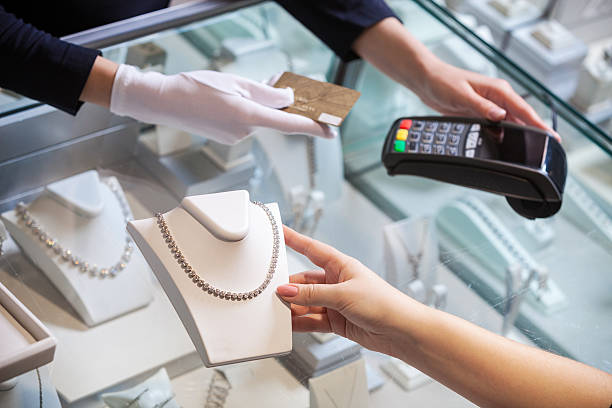
The rise of e-commerce and digital platforms has brought both convenience and risk to consumers. While purchasing jewelry online can be a seamless experience, it has also opened the door for scammers to exploit unsuspecting buyers and sellers. Understanding the nuances of these scams is essential in protecting yourself when navigating online marketplaces.
Common Online Jewelry Scams
- Scammers sell fake or counterfeit jewelry claiming it is authentic.
- Materials like gold-plated brass or cubic zirconia are often passed off as solid gold or genuine diamonds.
- Often involves misleading product descriptions or falsified certificates of authenticity.
- Buyers pay for jewelry products that never arrive.
- Fraudulent sellers may shut down their websites or delete marketplace accounts after receiving payments.
- Switch-and-Return Fraud (Affecting Sellers)
- Buyers order genuine, high-quality jewelry but return counterfeit pieces for a refund.
- This scam exploits return policies offered by retailers and online platforms.
- Fake e-commerce stores designed to mimic legitimate jewelry retailers trick customers into entering payment details.
- Victims may lose money upfront, while sensitive financial information is stolen for further fraudulent activity.
- Sellers on social media platforms might post attractive deals on luxury or custom-made jewelry that appears too good to be true.
- Once payment is made, scammers disappear without delivering the promised goods.
Warning Signs to Watch For
- Unrealistic Prices: Jewelry listed at prices dramatically below market value is often counterfeit or non-existent.
- No Return Policies: Legitimate businesses generally offer reasonable return policies; refusal to provide one could indicate fraud.
- Poor Product Descriptions: Vague or inconsistent details about materials, karat weight, gemstones, or certifications suggest unreliable sellers.
- Lack of Contact Information: Reputable businesses provide verifiable contact methods such as phone numbers, addresses, or customer service email addresses.
- Pressure Tactics: Scammers often try to rush you into making quick decisions by offering “limited time” deals.
Tips for Safe Online Transactions
- Purchase only from trusted websites with verified reviews and ratings.
- Research sellers thoroughly before making a purchase; check for detailed product listings and clear photographs.
- Use secure payment methods like credit cards that offer buyer protection instead of wire transfers or direct bank deposits.
- Verify certifications when buying diamonds or precious stones through reputable entities like GIA (Gemological Institute of America).
| Payment Method | Security Level | Recommended Use |
| Credit/Debit Cards | High (Buyer Protection) | Yes |
| PayPal | Moderate | Yes |
| Wire Transfers | Low (High Risk) | No |
By educating yourself about common tactics used by scammers and taking proactive steps during transactions, you can reduce your vulnerability significantly when buying or selling jewelry online.
Jewelry scams are a pervasive issue in the modern marketplace, especially with the rise of online shopping platforms and social media. Scammers often exploit consumers’ lack of knowledge about jewelry and precious stones, using deceptive tactics to sell low-quality or counterfeit items at inflated prices. Understanding how these scams operate is crucial for protecting yourself from falling victim to them.
Tips to Avoid Scams When Jewelry Buying and Selling
- Mislabeled Materials: Selling pieces labeled as gold or platinum that are actually gold-plated or made from cheaper metals.
- Synthetic Gemstones: Passing off lab-grown or synthetic stones as natural gemstones, often at prices much higher than their actual value.
- Counterfeit Designer Pieces: Creating fake replicas of luxury brand jewelry and claiming that they are authentic.
- Bait-and-Switch Tactics: Advertising high-quality jewelry but delivering substandard or entirely different products once payment has been made.
- Certificate Forgery: Providing counterfeit gemstone certification documents from fake labs to give legitimacy to low-quality stones.
How Scammers Target Victims
- Online Marketplaces
Websites like eBay or Facebook Marketplace can be rife with fraudulent sellers offering “too-good-to-be-true” deals on expensive items. - Social Media Ads
Instagram and Facebook ads may feature eye-catching designs that lure unsuspecting buyers into purchasing poorly made or fake products. - Phony Jewelry Stores
Pop-up shops, traveling vendors, or websites masquerading as reputable jewelers may scam customers with overpriced or counterfeit goods. - Pressure Sales Tactics
Scammers might use high-pressure sales techniques to rush you into making decisions without allowing you time to verify the authenticity of the product.
Red Flags You Need to Watch Out For
- Unbelievably low prices on what should be high-value items.
- Sellers who refuse to provide clear documentation, including receipts or certificates.
- Vague descriptions in listings, such as “gold-colored” instead of specifying karat weight.
- Poor quality photos on online listings that obscure item details.
- “No returns” policies that prevent buyers from addressing issues after purchase.
How These Scams Impact Buyers
Falling for a jewelry scam not only results in financial loss but can also erode trust in legitimate sellers within the industry. Victims may lose hundreds—or even thousands—of dollars while receiving items worth only a fraction of what they paid for.
| Scam Type | Impact on Buyers | Example Losses |
| Counterfeit Designer | Buyer loses money on fake luxury brands | Paying $500 for a $20 fake piece |
| Misrepresented Materials | Deceptive sales lead to overpayment | Purchasing “gold” that is plated |
| Synthetic Sold As Natural | Overpaying for lab-grown gemstones | Paying $2,000 for a $200 stone |
Educating Yourself About Jewelry
Knowledge is your strongest ally against scams. Learn about common terms used in the industry (e.g., carat weight, clarity grades), understand how genuine certifications work, and research average market prices before making any purchase decisions.
By staying informed and vigilant, you can greatly reduce your risk of falling victim to these fraudulent schemes.
Understanding Common Jewelry Scams and How to Avoid Them
Jewelry scams are becoming increasingly sophisticated, preying on unsuspecting buyers and sellers alike. Whether you’re shopping for a meaningful piece or selling an item of value, it’s essential to recognize these schemes. Below, we delve into common jewelry scams and provide actionable tips to safeguard yourself.
Common Types of Jewelry Scams
- Counterfeit Jewelry Sales
Scammers sell fake jewelry as authentic pieces, often at prices that seem too good to be true. These items may include counterfeit diamonds, gold-plated metals marketed as solid gold, or imitation gemstones. - Red Flag: Lack of certification or vague claims about the product’s authenticity.
- How to Avoid: Request certificates of authenticity from reputable organizations like GIA (Gemological Institute of America) or IGI (International Gemological Institute).
- Online Market Scams
Online platforms are often breeding grounds for fraud because buyers cannot physically inspect the item before purchasing it. - Red Flag: Sellers refusing to provide detailed photos or additional information about the item.
- How to Avoid: Use trusted marketplaces with buyer protection policies and check seller reviews before making a purchase.
- Bait-and-Switch Tactics
This scam involves showing buyers a high-quality piece but delivering something entirely different after payment has been made. - Red Flag: Offers that require upfront payments without any guarantees in writing.
- How to Avoid: Insist on inspecting the product in person or through verified intermediaries when purchasing remotely.
- Overpayment Fraud in Selling Jewelry
In this scam, fraudsters overpay for a jewelry item using fake checks or stolen credit cards and then request a partial refund before the transaction clears. - Red Flag: Buyers insisting on unusual payment methods or pressuring you into accepting overpayments.
- How to Avoid: Wait for payments to fully clear before shipping an item and stick to secure payment platforms like PayPal Goods & Services.
Key Warning Signs of Jewelry Scams
| Warning Sign | What It Means |
| Unrealistically low prices | The jewelry may be counterfeit |
| No return/refund policy | The seller may not stand by their products |
| Lack of certifications | The authenticity of the jewelry is questionable |
| High-pressure sales tactics | Scam artists often create urgency |
| Poor online seller reviews | Other customers have likely had issues |
Proactive Steps You Can Take
- Verify certifications through recognized labs like GIA, AGS, or IGI.
- Purchase from reputable jewelers with physical stores or established online presences.
- Be cautious when dealing with private sellers on platforms like Craigslist or Facebook Marketplace.
- Always use secure payment methods such as credit cards (which offer fraud protection) instead of wire transfers.
- When selling, consider using escrow services for high-value transactions.
By understanding how common jewelry scams operate and taking protective steps, you can minimize your risks while buying or selling valuable pieces. Education is your best defense against fraud in this industry—stay informed and vigilant at all times when engaging in jewelry transactions.
How to Avoid Jewelry Scams: Essential Warning Signs to Watch For
When it comes to buying or selling jewelry, scams are unfortunately all too common. Fraudulent sellers and buyers often use deceptive tactics to exploit unsuspecting individuals. By recognizing precautionary warning signs, you can protect yourself from falling victim to such schemes. Below is a detailed guide on identifying red flags in jewelry transactions.
Suspiciously Low Prices
- Research Market Value: Compare the price with similar items from reputable retailers or jewelers.
- Check for Consistency: If a seller lists several items with unusually low prices, this could indicate counterfeit goods or fraud.
- Avoid Impulse Decisions: A common tactic scammers use is creating urgency (e.g., “limited-time offer”) to pressure buyers into acting without proper research.
Lack of Verifiable Documentation
| Documentation Type | What It Confirms |
| Gemological Certificate | Authenticity and grade of stones |
| Proof of Purchase | Ownership and payment history |
| Appraisal Report | Estimated value and authenticity |
If the seller cannot produce these documents or hesitates when asked for them, it should raise suspicion.
Vague Product Descriptions or Poor Images
- Blurry or generic photos that may be copied from other websites.
- Incomplete product descriptions lacking information about materials, karat weight, or certifications.
- Use of overly technical jargon intended to confuse rather than inform.
Unverified Online Sellers
- No customer reviews or mostly fake-looking positive reviews.
- Limited contact information—only an email address with no phone number provided.
- Newly created accounts with minimal activity history.
High Pressure Tactics from Sellers
- Claiming there are multiple buyers showing interest in the same item.
- Insisting on immediate payment through unverifiable methods such as gift cards or cryptocurrency.
- Refusing requests for further verification like additional photos, video calls showcasing the item, or in-person viewings.
Irregular Payment Requests
- Requests for wire transfers instead of secure platforms like PayPal or credit cards.
- Asking for personal financial information such as bank account details directly over email.
- Demanding upfront deposits before providing any proof of ownership.
By remaining vigilant and educating yourself about these warning signs, you can reduce your risk when engaging in jewelry-related transactions online or offline.
Essential Tips to Protect Yourself from Jewelry Scammers
Jewelry scams are becoming increasingly sophisticated, making it essential for consumers to stay vigilant. Whether purchasing online, at a local store, or through private sellers, being aware of common tactics used by scammers can save you from financial loss and emotional distress. Below are practical and actionable tips to protect yourself from falling victim to jewelry fraud.
Research Thoroughly Before Buying
- Verify the Seller’s Credentials: Check for certifications like Gemological Institute of America (GIA) or American Gem Society (AGS). These organizations ensure that sellers adhere to ethical standards.
- Read Reviews and Ratings: Go through customer feedback on independent platforms to identify any red flags. Avoid sellers with consistent complaints about fake or low-quality items.
- Check Online Presence: Scam artists often have minimal information available online. Look for a professional website, detailed contact information, and an active social media presence.
Request Proper Documentation
- Certificates of Authenticity: Ensure gemstones come with trusted certifications like GIA or AGS reports stating the quality and authenticity of materials used.
- Receipts and Appraisals: A legitimate jeweler will provide detailed receipts including weight, clarity, carat size, and metal purity details.
| Document Type | Purpose | Notes |
| Certificates of Authenticity | Confirms quality & origin of gemstones | Must be issued by a recognized authority |
| Detailed Receipts | Provides transparency on product details | Includes weight, carats & metal purity |
| Appraisals | Independent evaluation of value | Use third-party appraisers if needed |
Avoid Unrealistic Deals
- Compare prices with reputable retailers before committing.
- Be cautious when sellers use false urgency tactics like “Only one left!” or “Offer ends today.”
- If buying secondhand jewelry online or at auctions, ask if returns are allowed in case the piece isn’t authentic.
Use Secure Payment Methods
- Avoid wire transfers or cash payments; they are almost impossible to trace if a scam occurs.
- Use credit cards whenever possible since they offer better fraud protection compared to debit cards.
- For online purchases, ensure the website has HTTPS encryption indicated by a padlock icon near the URL bar.
Be Wary When Buying Online
- Purchase only from verified sellers with established reputations.
- Beware of vague descriptions that lack specific details about materials and craftsmanship.
- Examine return policies carefully — trustworthy businesses typically offer refunds if buyers detect issues after purchase.
By staying informed and taking these preventative steps seriously, you can minimize your risk while investing in fine jewelry confidently.
Share Your Experiences and Learn from Common Jewelry Scam Cases
When it comes to jewelry scams, personal experiences can serve as valuable lessons for others. Sharing your story not only raises awareness but also helps others recognize red flags they might otherwise overlook. Below, we explore common examples of jewelry scam cases and what can be learned from them.
Common Jewelry Scam Cases
- The “Too Good to Be True” Deal
A shopper receives an online advertisement or social media post offering high-end jewelry at a fraction of its market price. After purchasing, the buyer either receives counterfeit items or never receives the item at all. - Learning Point: If a deal seems excessively cheap for luxury jewelry, it is likely a scam. Verify the seller’s authenticity by checking reviews and certifications.
- Fake Gemstone Certifications
Scammers often provide fake certification documents to convince buyers that gemstones are genuine. These documents look official but come from nonexistent or fraudulent institutions. - Learning Point: Always verify certifications with well-known organizations such as GIA (Gemological Institute of America). Avoid relying solely on third-party documentation when making decisions.
- Bait-and-Switch Tactics
A consumer purchases a piece of jewelry in-store or online, assuming it meets stated specifications (such as gold karat or diamond clarity). Upon inspection by an expert, they discover that the material is substandard or altered. - Learning Point: Request detailed invoices specifying the characteristics of the item. When possible, get appraisals from independent jewelers before finalizing your purchase.
- Counterfeit Designer Jewelry
Individuals unknowingly purchase fake designer items – often advertised as authentic second-hand pieces – through unverified websites or private sellers on platforms like social media marketplaces. - Learning Point: Purchase designer jewelry only through authorized retailers and platforms with clear return policies and authentication guarantees.
- Online Seller Disappears Post-Payment
Buyers make payments to online sellers who vanish without delivering any product or providing refunds. Often, these sellers operate under fake business names with no traceable contact information. - Learning Point: Avoid private transactions without buyer protection services like PayPal Goods & Services. Research seller feedback thoroughly before purchasing expensive items online.
How Sharing Experiences Can Help
- Builds Awareness: Discussing real-life scenarios educates others about how scams operate.
- Provides Insights: Victims can highlight specific tactics used by scammers.
- Encourages Action: Stories may prompt hesitant individuals to report incidents to authorities or fraud prevention agencies.
Platforms for Sharing Jewelry Scam Experiences
| Platform | Purpose | Example Benefits |
| Social Media Groups | Share stories in niche communities | Reach other collectors and buyers quickly |
| Consumer Protection Forums | Report fraudulent sellers or websites | Access advice from experts |
| Review Websites | Leave feedback on specific businesses | Warn potential buyers about risks |
| Local News Outlets | Alert a wider audience in your area | Amplify scam warnings beyond personal circles |
By sharing your experience publicly and learning from others’ cases, you become part of a larger effort to combat jewelry scams effectively while staying informed about new tactics scammers employ over time.
- How to Avoid Jewelry Scams and Sell Your Jewelry Safely
- How Can You Sell Gold Jewelry Online Without Risk of Falling Victim to Scams
- Top Tips for Safe Jewelry Buying and Selling Online
- How to Sell Jewelry and Avoid Common Scams
- Essential Tips to Help You Avoid Jewelry Scams
- Expert Jewelry Selling Tips to Avoid Diamond Scams and Sell Securely
- Essential Tips to Protect Yourself When You Sell Jewelry and Avoid Getting Ripped Off
- How to Navigate Jewelry Buying and Selling Safely Online