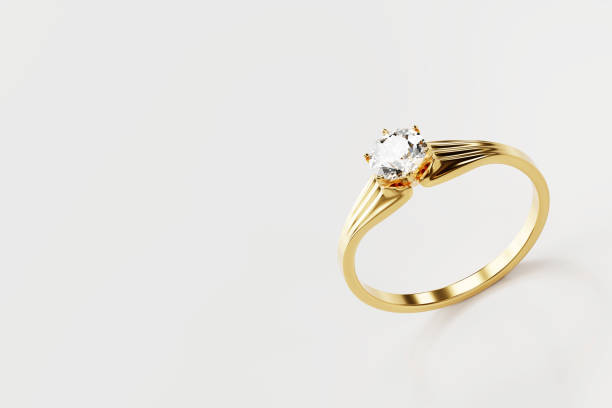
Selling gold jewelry can be a rewarding way to earn extra income or liquidate assets you no longer need. However, the process is fraught with potential pitfalls and scams. To ensure that you have a safe and secure transaction, it’s important to approach the process with preparation and caution. Below are some actionable tips to help protect yourself during the sales process.
Research the Value of Your Gold Jewelry
Before selling your gold jewelry, it’s crucial to understand its approximate worth. Having a good estimate will help you avoid being lowballed by dishonest buyers.
- Weigh Your Jewelry: Use a precise scale to measure your jewelry in grams or ounces.
- Check Purity Levels: Look for markings like 10K, 14K, or 18K on your jewelry. These indicate the percentage of gold content.
- Research Market Prices: Track daily gold prices online or through trusted financial platforms since market prices fluctuate regularly.
Understanding these factors will give you a clearer picture of what your items are worth and whether an offer is fair.
Choose Reputable Buyers
- Licensed Jewelers
Local jewelers often provide competitive offers and tend to be transparent about their valuation process. - Reputable Pawn Shops
While not always offering top dollar, reputable pawn shops can still provide fast transactions. - Gold Buying Companies
Look for well-reviewed companies with established reputations, preferably those accredited by organizations like the Better Business Bureau (BBB).
Always verify credentials before proceeding with any transaction.
Insist on Transparency During Valuation
- The buyer should weigh your jewelry in front of you using calibrated scales.
- Ensure they explain how purity levels impact their offer price.
- Request detailed documentation after receiving an offer, including weight, karat information, and market price calculations.
If anything seems unclear or rushed during this process, consider walking away from the deal.
Avoiding Common Scams
| Scam Type | Description | How to Avoid |
| Lowball Offers | Buyers deliberately undervalue your item hoping you’ll accept it quickly | Research market values beforehand |
| Switcheroo Scam | The buyer switches out your genuine piece with a fake one during inspection | Always keep your eyes on your item |
| Counterfeit Checks | Payment is made using fraudulent checks that later bounce | Insist on cash payments or verified electronic transfers |
By staying vigilant against these tactics, you reduce the risk of falling victim to fraudulent schemes.
Secure Payment Methods
- Opt for cash payments whenever possible.
- For larger sums, use certified checks or trusted electronic transfer services such as PayPal (with seller protection enabled) or Zelle.
- Avoid accepting personal checks unless you’re familiar with the buyer’s credibility.
Secure payment ensures that you’re compensated fairly without running into post-sale issues such as bounced checks or chargebacks.
Document Everything
- Take clear photographs of each piece before handing it over for evaluation.
- Get written documentation from buyers detailing their final offer and terms of purchase.
- Retain receipts or proof-of-sale records after completing the deal.
Documentation not only protects against disputes but also provides evidence in case any issues arise later down the line.
Selling gold jewelry doesn’t have to be intimidating if approached cautiously and armed with knowledge about industry practices and potential risks. By following these tips, you can navigate sales safely while maximizing returns on your valuable items without falling victim to scams.
How to Sell Jewelry Safely and Protect Yourself from Fraud
Selling gold jewelry can be a lucrative way to earn money, but it also comes with risks. Without proper knowledge, you could fall victim to scams or receive far less than your jewelry’s true value. Here’s a guide on why learning the right way to sell gold jewelry is essential for safeguarding yourself and maximizing your returns.
Important Risks in Jewelry Buying and Selling Gold
- Undervalued Appraisals: Some buyers may deliberately undervalue your gold to maximize their own profit.
- Fake Buyers or Fraudulent Transactions: Scammers posing as legitimate buyers may trick sellers through fake payments or counterfeit checks.
- Loss of Jewelry in Transit: Selling online often requires shipping, and without proper insurance, you could lose your items entirely.
- Pressure Sales Tactics: Some buyers may employ high-pressure tactics to convince you to sell at a lower price than your jewelry is worth.
Benefits of Learning Safe Selling Practices
- Accurate Valuation: Understanding how gold’s weight and purity affect its value ensures fair offers.
- Recognizing Legitimate Buyers: Identifying trustworthy buyers reduces the chance of fraud.
- Protection Against Scams: Knowledge helps you spot red flags, such as vague payment terms or suspicious buyer behavior.
- Maximizing Profits: Awareness of market trends and pricing ensures that you don’t undersell valuable pieces.
Key Steps for Safe Gold Jewelry Transactions
- Visit a reputable jeweler or certified appraiser to evaluate your pieces.
- Ensure they assess factors like karat weight and current market prices for gold.
- Verify credentials of local jewelers or online platforms before engaging in transactions.
- Check online reviews and ratings from other sellers for additional insight.
- Familiarize yourself with current gold prices, which fluctuate daily based on global markets.
- Use this benchmark as a reference point when negotiating offers.
- Take clear photos of your items from multiple angles before any transaction.
- Keep all communication records with buyers for added security.
- Avoid accepting personal checks unless verified by a bank first.
- Opt for secure payment options like bank transfers or escrow services when dealing with online buyers.
Red Flags That Signal Potential Fraud
| Red Flag | Explanation |
| Buyer refuses proper documentation | If they avoid providing receipts or contracts, it’s likely a scam risk. |
| Drastically low offers compared to market | Offers significantly below the current market price are often dishonest. |
| Vague payment terms | Be cautious if the buyer doesn’t clarify how they will pay for your items. |
| Fake certifications | Some scammers present counterfeit certifications claiming higher purity levels. |
Final Thoughts on Avoiding Fraud
Selling gold jewelry requires vigilance and preparation throughout the process—from initial valuation to final payment arrangements. By equipping yourself with knowledge of best practices and potential risks, you can protect your assets while ensuring fair compensation for your valuables.
How to Sell Gold Jewelry Online and Avoid Jewelry Scams
Selling gold jewelry online can be a convenient way to earn money, but it comes with its share of risks. Scammers often target sellers who are unaware of common fraud tactics. Below, we’ll outline actionable steps to help you sell gold jewelry online safely and protect yourself from potential scams.
Choose a Reputable Online Platform
- Online Marketplaces: Platforms like eBay, Etsy, or specialized jewelry marketplaces can provide a safe selling environment if you follow their guidelines.
- Direct Buyers: Many gold-buying websites specialize in purchasing gold jewelry. Ensure they are licensed and accredited by organizations like the Better Business Bureau (BBB).
- Peer-to-Peer Selling: If using platforms like Facebook Marketplace or Craigslist, exercise extra caution as these transactions often lack buyer protection.
| Platform Type | Key Features | Safety Measures |
| Online Marketplaces | Wide audience, secure payment options | Use platform-provided payment systems |
| Direct Buyers | Quick sales, professional evaluation | Verify licenses and accreditations |
| Peer-to-Peer | No fees, direct communication | Meet in public locations; cash-only policy |
Get Your Jewelry Appraised
- Research certified appraisers in your area.
- Request a written evaluation detailing weight, karat purity, and overall worth.
- Compare appraisals from multiple experts if possible.
Having documentation also makes your listing more credible.
Avoid Common Payment Scams
- Use Secure Payment Methods: Opt for PayPal or other escrow services that offer seller protection.
- Beware of Overpayment Schemes: Scammers may send checks exceeding the agreed price and ask for a refund of the difference before the check clears.
- Never Share Personal Financial Details: Avoid giving out bank account numbers or other sensitive information.
Verify Buyer Authenticity
- Look for verified profiles on platforms.
- Check buyer reviews and feedback ratings if available.
- Be cautious about buyers located internationally—these often present logistical challenges and higher fraud risk.
Insure Your Shipment
- Use a trusted courier service with tracking options.
- Insure the package for its full value in case it gets lost or damaged during transit.
- Require signature confirmation upon delivery.
Proper shipping practices not only safeguard your item but also prevent disputes from arising over undelivered packages.
Red Flags to Watch For
- Buyers who rush the process or pressure you into accepting their terms quickly.
- Requests to communicate outside the platform (e.g., via email or phone).
- Offers that sound too good to be true (e.g., someone offering significantly above market value).
Final Thoughts
Selling gold jewelry online securely requires preparation and vigilance. By using reputable platforms, verifying buyers’ legitimacy, and following safe payment and shipping practices, you can reduce risks associated with scams while ensuring a smooth transaction process.
Selling gold jewelry online can be convenient and profitable, but it also comes with risks. To ensure a secure transaction and avoid scams, it’s essential to approach the process with caution and informed strategies. Below are actionable tips to protect yourself when selling gold jewelry online.
Research Buyers Thoroughly
When selling gold jewelry online, it’s crucial to vet potential buyers or platforms. Look for reviews, ratings, and testimonials to assess their reputation.
- Established Platforms: Use well-known and trustworthy platforms like reputable auction sites, certified gold buyers, or specialized jewelry resale websites.
- Verify Credentials: Check for accreditation with organizations like the Better Business Bureau (BBB) or consumer protection agencies.
- Avoid New or Unverified Buyers: Be cautious about buyers who lack an established track record or have incomplete profiles.
Understand the Value of Your Gold Jewelry
Knowledge is power when it comes to pricing your gold accurately. Scammers are more likely to take advantage if you’re unaware of your item’s worth.
- Get your gold appraised by a professional jeweler or gemologist.
- Calculate the value based on current market prices for gold (measured in karats) using reliable sources such as financial news websites.
- Take note of any additional value from gemstones or craftsmanship that may increase its worth beyond the raw metal value.
Use Secure Payment Methods
The payment method you choose plays a significant role in minimizing risks.
- Opt for secure payment platforms such as PayPal Goods & Services or Escrow services that hold funds until both parties fulfill their obligations.
- Avoid wire transfers or direct bank deposits unless you’re working with a trusted buyer.
- Stay away from cash transactions when dealing remotely.
| Payment Method | Security Level | Recommendation |
| Escrow Services | High | Best option for high-value items |
| PayPal (Goods & Services) | High | Great for digital transactions |
| Bank Wire Transfers | Moderate | Use only if buyer is verified |
| Cash | Low | Only in-person with trusted buyers |
Watch Out for Common Online Scams
Familiarizing yourself with common online scams will help you recognize warning signs early.
- Overpayment Scams: A buyer sends more than the agreed price and asks you to refund them the excess amount. Later, their payment bounces.
- Fake Escrow Services: Fraudulent escrow websites may look legitimate but are designed solely to steal your money or goods.
- Phishing Attempts: Be wary of links requesting personal data such as banking information; they could be phishing schemes.
Tips for Safe Shipment
- Use insured mail services that provide tracking numbers (e.g., FedEx, USPS Registered Mail).
- Package your item securely using tamper-proof packaging materials.
- Don’t label the package in a way that suggests valuable contents (e.g., avoid writing “gold” or “jewelry” on labels).
Trust Your Instincts and Stay Alert
Finally, always trust your instincts during online transactions. If something feels off—whether it’s an unusually high bid without questions asked or pressure from the buyer—it’s best to proceed cautiously or walk away altogether. By combining vigilance with thorough research and safe practices, you can sell gold jewelry online confidently while avoiding scams.
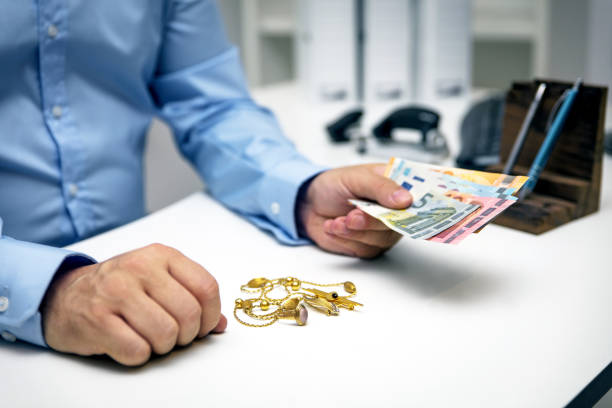
Jewelry Seller’s Checklist: Key Steps to Maximize Your Offer Price Safely
Selling gold jewelry can be a rewarding process, but without proper preparation, you risk settling for less than its true value or falling victim to scams. A structured approach is essential to maximize your offer price while ensuring safety. Below is a comprehensive checklist designed to help you sell your gold jewelry confidently and effectively.
1. Evaluate the Value of Your Gold Jewelry
Understanding the worth of your gold jewelry is one of the first steps in ensuring you receive a fair price.
- Understand Karat Purity: Gold purity is measured in karats (e.g., 10K, 14K, 18K). Higher karat values translate to higher gold content.
- Weigh Your Jewelry Accurately: Use a precise scale to determine the weight of your jewelry in grams or ounces. Remember that gemstones typically don’t count toward the scrap value of gold.
- Research Market Prices: Check current market rates for gold (spot price) as its value fluctuates daily.
- Assess Historical/Artistic Value: If your jewelry is antique, rare, or branded (e.g., by Tiffany & Co.), it may be worth more than just its gold content.
2. Choose a Reliable Buyer
Selecting trustworthy buyers can prevent scams and ensure competitive offers.
| Type of Buyer | Pros | Cons |
| Local Jewelers | Quick payment | May offer less than online buyers |
| Online Gold Buyers | Convenient | Risk of shipping-related issues |
| Pawnshops | Immediate cash options | Typically lower payouts |
| Auction Houses/Marketplaces | High potential for unique items | Slower process; may involve fees |
Look up reviews and verify credentials before committing to any buyer.
3. Compare Offers from Multiple Buyers
Never settle on the first offer you receive. Take time to shop around with multiple buyers both locally and online to identify who provides the most competitive rate for your item’s value.
4. Understand Selling Options
- Scrap Gold Selling: Meant for broken or unwanted pieces sold based on weight and purity alone.
- Resale as Jewelry: If in good condition, reselling as-is may fetch higher prices due to added craftsmanship or brand name.
- Consignment Sales: A consignment shop may sell on your behalf but often charges fees or takes commissions.
Choose an option that aligns with your financial priorities and timeline.
5. Avoid Common Scams
- Never agree to cash-only deals without proper documentation or receipts.
- Beware of lowball offers disguised as “appraisals.”
- Be cautious with mail-in services—ensure shipments are insured and trackable at all times.
- Avoid selling at “pop-up” locations such as hotel buying events without verified legitimacy.
6. Secure Safe Transactions
- Meet buyers in public places if selling locally.
- Request bank transfers instead of handling large sums of cash.
- Document every aspect of the sale—including photographs, appraisals, and written agreements—to protect against disputes later on.
By following this checklist and employing best practices at every stage, you can confidently navigate through the complexities of selling gold jewelry while maximizing both security and profit potential.
Recognizing Red Flags When Selling or Buying Gold Jewelry Online or In-Person
Red Flags When Selling Gold Jewelry
- Ensure the buyer you are working with has proper licensing. Many regions require gold buyers to hold specific certifications to operate legally.
- Check for reviews or complaints against the buyer on platforms like the Better Business Bureau (BBB).
- Watch out for buyers who rush you into making decisions without giving you time to evaluate your jewelry’s true value. Legitimate buyers should allow you ample time to compare prices and offers.
- Some buyers may undervalue your gold by using inaccurate weighing scales or providing misleading information about the purity of your jewelry (karat value). Always verify their claims with a second opinion from another appraiser.
- Avoid conducting business without a written contract that clearly outlines the terms of sale, including weight, karat grade, agreed-upon price, and payment method.
- Be cautious if a buyer insists on cash-only payments or refuses secure payment options like wire transfers or checks.
Red Flags When Buying Gold Jewelry
- Always request documentation such as certificates of authenticity or appraisals when purchasing gold jewelry, especially if it’s labeled as high-purity (e.g., 18K or 24K).
- If a deal seems too good to be true, it probably is. Scammers often lure buyers with extremely low prices but deliver counterfeit items made from gold-plated materials instead of solid gold.
- Be wary if sellers avoid questions about where they acquired the item or refuse to disclose detailed information about its quality and condition.
- Only purchase from recognized platforms that provide buyer protections such as eBay Verified listings, Etsy guarantees, or other similar services.
- A legitimate seller typically offers some form of return policy within a set period (e.g., 14–30 days) to ensure customer satisfaction and product authenticity.
Questions You Should Ask Before Transacting
| For Sellers | For Buyers |
| What is your licensing/certification? | Is this item certified/authenticated? |
| How will my jewelry be weighed/tested? | Can I see proof of appraisal? |
| Will I receive a detailed receipt? | Do you offer any return policies? |
| How will I be paid for my gold? | Are there additional fees involved? |
Best Practices for Safe Transactions
- Use reputable jewelers, pawnshops, or online platforms with established trust records.
- Research current market prices for gold before entering negotiations.
- Trust your instincts; if something feels off during the process, step away from the deal.
- Seek professional advice from certified appraisers when in doubt about an item’s worth.
By understanding these warning signs and following best practices during transactions, you’ll minimize risks while maximizing gains in buying or selling gold jewelry safely.
Expert Advice on Selling Luxury Jewelry Safely and Securing the Best Value
Selling luxury jewelry can be a rewarding experience, but it requires careful planning and knowledge to ensure you make a safe and profitable transaction. Whether you’re parting with a cherished piece or liquidating an investment, following expert advice can help you steer clear of scams and guarantee the best possible value. Below are key strategies to guide your process.
Understand the True Value of Your Luxury Jewelry
- Get a Professional Appraisal:
Work with certified gemologists or appraisers who specialize in luxury pieces. Look for individuals accredited by reputable organizations such as the Gemological Institute of America (GIA) or the American Gem Society (AGS). - Research Comparable Sales:
Look up recent sales data for similar pieces on platforms like auction houses or reputable online marketplaces. - Understand Market Trends:
The value of specific gemstones, metals, and designs fluctuates based on demand. For instance, vintage designs might be particularly popular at certain times.
Choose the Right Selling Method
| Selling Method | Pros | Cons |
| Consignment Stores | Allows professional display | Fees may reduce overall payout |
| Online Marketplaces | Broad audience potential | Risk of scams or disputes |
| Auction Houses | May yield high value for rare pieces | High commission fees |
| Direct Sale to Buyers | Quick transactions | Potential for underpayment |
Consider combining methods if you have multiple pieces to sell or if one method feels too limiting.
Recognize Red Flags During Transactions
- Unsolicited Offers:
Be cautious if someone contacts you out of the blue claiming they’re interested in buying your jewelry. - Pressure Tactics:
Scammers often use high-pressure tactics to rush decisions. A credible buyer will give you time to consider offers. - Requests for Additional Payments:
If a buyer asks you to pay for shipping, insurance, or other fees upfront, this could be a scam.
Tips for Protecting Your Investment
- Keep all original documentation (e.g., receipts, certificates of authenticity). These add credibility when proving your jewelry’s value.
- Insure high-value items before taking them out of your possession.
- Meet buyers in secure locations—preferably public spaces monitored by cameras.
- Review payment methods carefully—a wire transfer is generally more secure than personal checks.
- Use escrow services when conducting online transactions to protect funds until both parties fulfill their obligations.
Selling luxury jewelry requires diligence but adhering to these principles will help safeguard your assets while maximizing their financial return potential. By arming yourself with knowledge about valuation processes, selling channels, and security practices, you’ll be well-prepared for successful transactions in any marketplace.
- How to Avoid Jewelry Scams and Sell Your Jewelry Safely
- How Can You Sell Gold Jewelry Online Without Risk of Falling Victim to Scams
- Top Tips for Safe Jewelry Buying and Selling Online
- How to Sell Jewelry and Avoid Common Scams
- Essential Tips to Help You Avoid Jewelry Scams
- Expert Jewelry Selling Tips to Avoid Diamond Scams and Sell Securely
- Essential Tips to Protect Yourself When You Sell Jewelry and Avoid Getting Ripped Off
- How to Navigate Jewelry Buying and Selling Safely Online