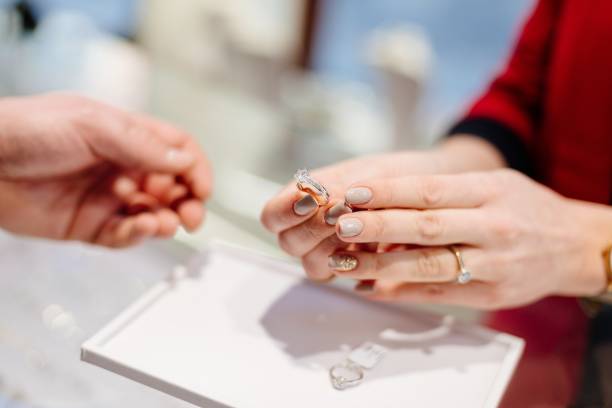
Buying a diamond can be an exciting yet intimidating experience. With so many options available and potential scams lurking in the marketplace, it’s important to equip yourself with knowledge to make a safe and secure purchase. Here are expert tips to help you avoid diamond scams while ensuring your investment is worthwhile.
Key Points to Consider Before Buying Diamonds
- Educate yourself about the “4Cs” of diamonds: Cut, Carat, Color, and Clarity. This foundational understanding will help you assess a diamond’s quality more effectively.
- Familiarize yourself with common scams in the industry, such as counterfeit certifications or swapped stones.
- Choose retailers with strong reputations and positive customer reviews. Look for established companies or certified jewelers accredited by organizations such as the Gemological Institute of America (GIA).
- Avoid marketplaces where sellers lack transparency, such as unverified online platforms or pop-up shops.
- Insist on a grading report from reputable institutions like GIA or the American Gem Society (AGS). These reports detail a diamond’s authenticity and characteristics.
- Beware of sellers offering self-issued “certificates,” which may lack credibility.
Red Flags When Purchasing Diamonds
| Red Flag | What It Means |
| No certification provided | The stone may be misrepresented or artificially enhanced |
| Prices that seem too low | Could indicate synthetic stones, treated diamonds, or poor-quality gemstones |
| Pressure tactics from salespeople | Sellers pushing quick decisions might be trying to hide flaws or scam buyers |
| Vague descriptions | Terms like “diamond-like” or “simulated” could mean you’re not getting real diamonds |
Best Practices for Safe Diamond Purchases
- Inspect the Diamond ThoroughlyUse a jeweler’s loupe or magnifying glass to examine potential inclusions (imperfections) in the stone. A trustworthy jeweler should allow you to inspect without hesitation.
- Understand Return PoliciesVerify that the seller has a clear return policy in case you discover any issues after purchasing.
- Get an Independent AppraisalTake your purchased diamond to an independent appraiser who isn’t affiliated with your seller. They can verify its value and authenticity without bias.
Why Insurance Matters
Once you’ve purchased your diamond, protect it by insuring it through a credible insurance provider specializing in jewelry. Insuring your stone safeguards against theft, loss, or damage and gives peace of mind knowing your investment is protected.
By following these expert recommendations, you can minimize risks associated with buying diamonds while ensuring clarity and peace throughout your shopping journey. Be informed, trust established sellers, and always prioritize quality over tempting discounts when making this significant purchase decision.
Avoiding Jewelry Buying and Selling Scams: How to Spot Misleading Carat Weight Tactics
The carat weight of a diamond plays a significant role in its value, and dishonest jewelry sellers often exploit this factor to mislead buyers. Being informed about common carat weight scams can help you make confident and secure purchasing decisions. Below, we explore some of the most prevalent tactics and how to avoid falling victim to them.
Common Carat Weight Scams
- Some sellers may deliberately inflate the carat weight of a diamond to justify a higher price. This is especially common if no certification is provided.
- Sellers sometimes highlight the “total carat weight” of all diamonds in a piece of jewelry rather than focusing on individual stones.
- 50 carats each might be marketed as “1-carat earrings,” leading buyers to believe each stone weighs 1 carat.
- Dishonest retailers might provide unverifiable grading reports with inaccurate details about the diamond’s true size or quality.
- 96-carat diamond as “a full 1-carat stone. ” This slight difference could significantly impact the price without being immediately noticeable to an untrained buyer.
How to Protect Yourself
- Request Certification from Reputable Sources
- Weigh the Diamond Independently
If possible, have your jeweler weigh the diamond in your presence using a calibrated scale to confirm its stated weight. - Understand Total Carat Weight (TCW)
When buying jewelry with multiple stones, ask for clarification on whether advertised weights refer to individual stones or their combined total. - Beware of Bargains That Seem Too Good To Be True
If a large-carat diamond is priced suspiciously low compared to market averages, it could indicate misrepresentation or low-quality craftsmanship.
Key Differences Between Individual and Total Carat Weight
| Term | Definition | Example |
| Individual Carat Weight | The specific weight of an individual diamond within a piece of jewelry | A single stone weighing 1ct |
| Total Carat Weight | The combined weight of all diamonds in a piece | A bracelet featuring several smaller diamonds adding up to 2ct |
By staying vigilant and leaning on trusted certifications and appraisals, you can safeguard yourself when evaluating diamonds’ carat weights during your shopping process. Scammers thrive on misinformation; arm yourself with knowledge so you don’t overpay for less than what you deserve.
Carat Weight Scams in Jewelry: Spotting Misleading Tactics Used by Sellers
The carat weight of a diamond is one of the key factors influencing its value, making it an attractive target for dishonest practices. Unscrupulous jewelers may use deceptive tactics to misrepresent a diamond’s size or weight, potentially leaving buyers overpaying for a stone that fails to match their expectations. Understanding these scams and how to recognize them can help ensure a safe purchase.
Common Carat Weight Scams
- “Spread Diamonds” or Shallow Cuts
Some diamonds are cut intentionally shallow, resulting in a larger surface area on the top (the table), which makes the diamond appear larger than its actual carat weight. However, these stones often suffer in brilliance and fire due to poor light performance. - Overstating Carat Weight
In some cases, sellers may round up the carat weight of a diamond. 96-carat diamond as being “approximately 1 carat. ” This subtle difference can significantly impact both price and perceived value. - Cluster Settings Misrepresentation
Jewelers may sell cluster settings—groups of smaller diamonds arranged together—as if they were single stones. While such designs can be beautiful, buyers should be clear about what they’re purchasing and not mistake it for one large diamond. - Tampered Scales
Some dishonest jewelers manipulate weighing scales when showing loose diamonds to customers. This practice falsely inflates the displayed carat weight.
How to Protect Yourself
- Insist on Certification
Always request an independent grading report from reputable entities like GIA (Gemological Institute of America) or AGS (American Gem Society). - Verify with Your Own Tools or Third Parties
Bring your own scale if possible or ask for verification at an independent jeweler’s shop before finalizing your purchase. - Understand Proportions Over Size Alone
A well-cut stone with proper proportions is often more visually appealing than one with a larger table but poor brilliance due to shallow cutting techniques. - Ask Questions About Weight Representation
Specifically inquire whether any approximation has been applied when sellers describe the stone’s weight. - Know Common Carat Benchmarks
50 ct or 1 ct are often more expensive due to psychological pricing strategies and higher demand thresholds at these weights. Be wary of small discrepancies marketed as full benchmarks.
Table: Carat Weight vs Price Implications
| Carat Range | Typical Price Multiplier* | Risks of Misrepresentation | Buying Tips |
| 0.90 – 0.99 ct | Slightly lower than full size | Sellers may round up as “1 ct” | Verify exact weight before paying premium |
| Exactly 1 ct | Higher demand = higher price | Cluster settings sold as single stones | Check certification for clarity and measurements |
| Above major ranges (e.g., ~2 ct) | Exponential price increase per gram size | Overstated weights marketed without papers | Request GIA/AGS documentation & verify details |
*Prices vary based on quality factors such as cut, clarity, and color; chart reflects common trends only as benchmarks for evaluation purposes.
Red Flags During Purchase
- The jeweler avoids providing certifications.
- Weighing scales are not visible during loose stone evaluations.
- Vague descriptions like “approximately” used repeatedly without precision.
- The jeweler discourages third-party authentication or appraisals.
- Discounts seem too good compared to market rates for specific weights and quality grades.
Buying diamonds is an investment that requires diligence and awareness—especially regarding carat weight manipulation schemes that could cost you more than you bargained for financially and emotionally. Proper education combined with trusted certifications remains your strongest defense against misleading tactics in today’s jewelry market.

Tips to Avoid Scams When You Sell Jewelry: Spotting Hidden Diamond Flaws
When purchasing a diamond, many consumers focus on the Four Cs – carat, cut, clarity, and color. Clarity often plays a significant role in determining a diamond’s value, as imperfections, also known as inclusions and blemishes, can affect its beauty and worth. However, some dishonest jewelers utilize tricks to hide these flaws from unsuspecting buyers. Understanding these tactics is essential for making an informed purchase.
Common Ways Jewelers Hide Diamond Flaws
Dishonest practices in the jewelry industry often involve techniques designed to disguise imperfections or misrepresent quality.
- Prong Placement Manipulation
Jewelers may strategically position prongs (the small metal claws holding the diamond) over visible flaws to obscure them from view. This can make inclusions less noticeable at first glance but does not change the actual quality of the stone. - Using Light to Mislead
Bright lighting in jewelry stores is often intended to make diamonds sparkle brilliantly. This intense illumination can mask minor imperfections and give the illusion that a stone is flawless when it is not. - Hiding Imperfections with Settings
Certain settings, such as bezel or halo designs, are sometimes used to cover up flaws at the edges of diamonds. While these settings are stylish, they can also be employed deceptively. - Coating Treatments
Some jewelers use surface coatings that temporarily improve clarity by masking small cracks or blemishes. These treatments wear off over time and reduce the durability of your diamond. - Selling Lower Clarity Grades as ‘Eye Clean’
The term “eye clean” refers to diamonds with imperfections that are not visible to the naked eye under normal viewing conditions. Unscrupulous sellers may stretch this definition and sell lower-grade stones under this label without proper disclosure.
Tips for Spotting Concealed Flaws
- Examine Diamonds Under Magnification
Always request a jeweler’s loupe or microscope when inspecting a diamond. A magnified view will reveal inclusions that might otherwise be difficult to spot with the naked eye. - View Diamond in Different Lighting Conditions
Ask to see how the diamond looks under different types of lighting: natural light, fluorescent lighting, and dim light sources can reveal aspects that bright store lights may conceal. - Understand Common Inclusion Types
Learn about typical imperfections (e. g. , feathers, crystals, clouds) so you know what they look like during inspection. - Request an Independent Grading Report
Trustworthy diamonds are typically sold with certification from reputable gemological organizations like GIA (Gemological Institute of America). These reports provide detailed information about clarity grades and other characteristics. - Choose Reputable Jewelers
Work only with jewelers who have strong reputations for transparency and integrity within their business practices.
The Role of Certification in Identifying Flaws
| Certification Body | Key Features |
| GIA | Reliable grading system; highly respected for impartiality |
| AGS | Provides detailed cut analysis along with clarity grading |
| IGI | Popular internationally; offers affordable certification options |
Ensure any diamond purchase comes paired with legitimate documentation confirming its authenticity and clarity grade.
By staying informed about deceptive tactics used by unethical sellers and knowing what signs to look out for during your evaluation process, you’ll be better prepared for selecting a high-quality diamond that aligns with your expectations without costly surprises later on.
How to Tell if a Diamond is Real or Fake and Avoid Being Fooled
For anyone investing in fine jewelry, determining whether a diamond is real or fake is crucial. Many unethical sellers use deceptive practices to pass off synthetic or imitation stones as genuine diamonds. By learning how to verify authenticity, you can ensure your investment is secure and avoid scams.
Key Differences Between Real and Fake Diamonds
| Characteristic | Real Diamond | Fake Diamond |
| Hardness | Extremely hard (10 on Mohs scale) | Softer material (e.g., 6-8) |
| Light Reflection | Reflects white light (“brilliance”) | May show rainbow-like colors |
| Heat Conductivity | Excellent heat conductor | Poor heat conductivity |
| Weight | Lower density | Heavier for same size |
Simple At-Home Tests
Performing basic tests at home can provide initial indications of whether the diamond is authentic.
- Breathe onto the diamond as you would on a mirror. A real diamond will disperse the fog almost instantly due to its excellent heat conductivity.
- If the fog lingers for several seconds, it may be a fake.
- Fill a glass with water and drop the stone in it. A real diamond will sink to the bottom because of its high density, while fakes like cubic zirconia may float or not sink entirely.
- Use an unglazed ceramic tile and gently drag the gemstone across its surface. A real diamond will scratch the tile without damage to itself, while fakes may leave residue or scratches on their own surface.
- Use a magnifying glass or jeweler’s loupe to examine the stone closely for imperfections (inclusions). Real diamonds usually have natural flaws, while synthetic stones may appear flawless.
Professional Verification Methods
- Diamond Tester:Jewelers often use handheld devices that measure electrical and thermal conductivity to determine if a stone is genuine.
- UV Light Test:Shine ultraviolet light on the stone; many real diamonds fluoresce blue under UV light (though not all do). Synthetic stones usually won’t show this effect.
- Certification Check:Request documentation such as GIA (Gemological Institute of America) certification, which verifies that your diamond has been inspected and graded by experts.
Common Fake Diamonds You Should Know
- Cubic Zirconia (CZ):A lab-created material with brilliance but lacks durability.
- Moissanite:Resembles diamonds closely but reflects more rainbow colors.
- Glass:Significantly softer and less brilliant than natural diamonds.
Tips for Safe Purchasing
- Always buy from reputable jewelers with positive customer reviews.
- Request certifications from trusted organizations like GIA or IGI.
- Avoid deals that seem “too good to be true,” especially online offers without return policies.
By combining at-home tests with professional evaluations and careful purchasing practices, you can confidently differentiate between real and fake diamonds while avoiding scams.
Understanding Enhanced Diamonds and the Risks of Color and Clarity Treatments
Enhanced diamonds are natural or synthetic diamonds that have undergone treatments to improve their appearance. While these enhancements may make a diamond look more appealing, they can also pose risks to buyers who are unaware of what they’re purchasing. Being informed about these treatments is essential for making an educated decision when buying diamonds. Below is an in-depth look at enhanced diamonds, their types, and associated risks.
Common Types of Diamond Enhancements
There are several types of treatments used to enhance the color or clarity of a diamond.
- Irradiation: This treatment uses high-energy particles to alter the color of a diamond, often creating bright greens, yellows, or blues.
- High-Pressure High-Temperature (HPHT) Treatment: HPHT is used to either remove color from a diamond or change it completely, mimicking high-quality natural diamonds.
- Coating: Thin layers of material are applied to a diamond’s surface to improve its hue.
- Fracture Filling: This technique fills cracks or fractures in the diamond with a clear substance such as glass-like resin to make them less noticeable.
- Laser Drilling: A laser burns through imperfections like black inclusions and either removes them entirely or fills them with another material.
Risks Associated with Enhanced Diamonds
- Durability Issues: Some clarity enhancements, like fracture filling, can compromise the durability of the stone. The filling material may degrade over time or react poorly to jewelry cleaning chemicals.
- Transparency Concerns: Certain coatings may wear off over time—especially if exposed to heat—revealing the original flaws beneath.
- Deceptive Marketing Practices: Unscrupulous sellers might fail to disclose that a diamond has been treated, leading buyers to believe they are purchasing a higher-value natural stone.
- Reduced Resale Value: Enhanced diamonds generally have lower resale value than untreated ones due to their artificial alterations.
- Potential Health Risks During Repairs: Laser-drilled and fracture-filled diamonds can release harmful gases when exposed to heat during jewelry repairs.
Tips for Buying Enhanced Diamonds
- Always ask for full disclosure about any treatments performed on the diamond you’re considering purchasing.
- Request documentation like lab reports from reputable grading authorities (e. g. , GIA or AGS) that clearly indicate whether enhancements have been made.
- Consider the purpose of your purchase; for example, if you’re looking for long-term investment value, untreated natural diamonds may be a better option than enhanced stones.
- Inquire about repair precautions if buying clarity-enhanced stones—make sure jewelers understand how these treatments might affect durability during maintenance.
| Treatment Type | Purpose | Durability Concerns | Common Disclosure Issues |
| Irradiation | Changes color | Stable but irreversible | Sellers may omit this detail |
| HPHT | Removes/changes color | Stable but not always disclosed | Often marketed as “natural” |
| Coating | Improves external appearance | Prone to wear | Not always mentioned |
| Fracture Filling | Fills imperfections | Can degrade under heat/chemicals | Rarely disclosed |
| Laser Drilling | Removes inclusions | Heat-sensitive; visible under magnification | May not be fully transparent |
By understanding how enhancement impacts both quality and value, you’ll be better equipped to make confident choices when shopping for jewelry. Always work with reputable jewelers who prioritize transparency in their practices.
How to Avoid Jewelry Scams: Verify Your Diamond with a GIA Certificate Check
Purchasing a diamond is a significant investment, both financially and emotionally. To ensure that the gem you’re buying is worth its price and meets the quality standards you expect, verifying its authenticity through a reliable certification process is essential. One of the most trusted certificates within the diamond industry is provided by the Gemological Institute of America (GIA). Below, we’ll explore why a GIA certificate matters and how to use it effectively to protect your purchase.
What Is a GIA Certificate?
A GIA certificate, also known as a diamond grading report, is an independent evaluation provided by expert gemologists at the Gemological Institute of America.
- Carat Weight: The exact weight of the diamond.
- Cut Grade: How well the diamond has been cut to reflect light.
- Color Grade: A scale ranging from “D” (colorless) to “Z” (noticeable color).
- Clarity Grade: The number and visibility of inclusions or blemishes within the stone.
- Measurements: Detailed dimensions in millimeters, including table size and depth percentage.
Unlike sellers’ in-house appraisals or certificates from less reputable labs, a GIA certificate ensures impartiality as it does not assign monetary value but focuses solely on quality grading.
Why Insist on a GIA Certificate?
- Verification of Authenticity
A GIA certificate guarantees that your diamond matches its stated characteristics and specifications without manipulation or exaggeration by sellers. You can trust that it’s genuine. - Protection Against Fraudulent Practices
Some jewelers may present diamonds with inflated grades from less reliable labs, making them seem more valuable than they are. A GIA-certified stone protects you against such scams. - Resale Value Assurance
If you ever need to sell your diamond in the future, having documentation from one of the most reputable institutions significantly enhances buyer confidence and resale value. - Transparency in Treatments
Any enhancements like laser drilling or fracture filling will be disclosed in the report so you can make an informed decision about buying treated versus untreated stones.
How to Check Your Diamond’s Certification
- Request access to the physical or digital copy of the grading report at purchase.
- Use the unique report number listed on the GIA document.
- Visit GIA’s official websiteand navigate to their Report Check tool.
- Enter or scan your report number for instant verification of its details against their database.
- Match what’s listed on their site with what’s physically present in your stone (e. g. , carat weight or laser-inscribed ID number).
Red Flags When Evaluating Certifications
While some sellers may advertise “certified diamonds,” not all certifications carry equal weight or credibility.
- Vague documentation lacking specific details about cut, color, clarity, or measurements.
- Labs with lesser-known reputations issuing inflated grades favorable to retailers.
- Certificates that focus on appraised dollar value rather than qualitative analysis.
| Certification Feature | Trusted Labs (e.g., GIA) | Unreliable Labs |
| Grading Accuracy | Precise & Neutral | Often Biased |
| Treatment Disclosure | Transparent | May Omit Details |
| Recognition Worldwide | High | Limited |
Final Tips for Buyers
Purchasing diamonds without proper certification puts you at risk for overpaying or buying lower-quality stones masquerading as premium gems. Always insist on seeing credible documents like those from GIA before finalizing any transaction—this small step can save significant financial loss later down the road while ensuring peace of mind about your investment decision.

GIA Certificate Check: Ensuring Your Diamond is Verified and Authentic
When purchasing a diamond, one of the most critical steps to verify its authenticity is to check for a GIA (Gemological Institute of America) certificate. This certificate serves as an unbiased, independent assessment of the diamond’s quality and characteristics. Here’s how understanding and verifying a GIA certificate can protect your investment and ensure you’re getting what you paid for.
What is a GIA Certificate?
A GIA certificate is an official report issued by the Gemological Institute of America, one of the most reputable organizations in the gemstone industry.
- Carat weight: The exact weight of the diamond.
- Cut grade: A rating of how well the diamond’s facets interact with light.
- Color grade: The absence or presence of color in the stone.
- Clarity grade: An analysis identifying inclusions and blemishes in the gem.
- Measurements: Precise dimensions of the diamond.
Unlike appraisals, which are subjective and often tied to retail value, GIA grading reports are purely descriptive and do not assign a monetary value to diamonds.
Why is Checking for a GIA Certificate Important?
Purchasing diamonds without proper certification increases your risk of falling victim to scams or receiving subpar-quality stones.
- Authenticity– The diamond has been verified as natural, rather than synthetic or lab-created.
- Accurate Grading– Jewelers cannot mislead buyers about key quality factors like clarity or color when backed by certification.
- Transparency– All treatments or enhancements (e. g. , heat treatments, laser drilling) are disclosed clearly within the report.
How to Verify Your Diamond’s Certification
| Feature | What to Check |
| Laser Inscription | Ensure the unique ID number etched on the stone matches that on the report. |
| Carat Weight | Confirm it aligns with weight details listed on the document. |
| Cut & Measurements | Use calipers or consult your jeweler to validate physical dimensions stated in grading records. |
The GIA offers an online database where consumers can input their report number for verification (GIA Report Check).
- The report number exists within their system.
- Details provided online match those in your possession.
Dishonest sellers may attempt to forge documents that look like legitimate certifications but lack proper validation.
- Poorly printed copies instead of official hardcopy reports from GIA.
- Missing holograms or security features present on genuine certificates.
Tips for Buying Only Certified Diamonds
- Work exclusively with reputable jewelers who offer only certified stones from trusted institutions like GIA, AGS (American Gem Society), or IGI (International Gemological Institute).
- Always request certificates upfront before making payments.
- If buying online, ensure retailers have transparent return policies allowing independent verification after purchase.
By understanding how essential a legitimate GIA certificate is during transactions involving diamonds, you’ll reduce risks related not just monetary losses but also personal disappointment from acquiring counterfeit gems poorly misrepresented by sellers intent on misleading consumers unknowingly purchasing treated falsely advertised items at premium prices though superior worth inherently lesser value lacking transparency integrity.
- How to Avoid Jewelry Scams and Sell Your Jewelry Safely
- How Can You Sell Gold Jewelry Online Without Risk of Falling Victim to Scams
- Top Tips for Safe Jewelry Buying and Selling Online
- How to Sell Jewelry and Avoid Common Scams
- Essential Tips to Help You Avoid Jewelry Scams
- Expert Jewelry Selling Tips to Avoid Diamond Scams and Sell Securely
- Essential Tips to Protect Yourself When You Sell Jewelry and Avoid Getting Ripped Off
- How to Navigate Jewelry Buying and Selling Safely Online