Day: December 10, 2025

How Can You Sell Gold Jewelry Online Without Risk of Falling Victim to ScamsHow Can You Sell Gold Jewelry Online Without Risk of Falling Victim to Scams


| | 0 Comment| 10:36 am

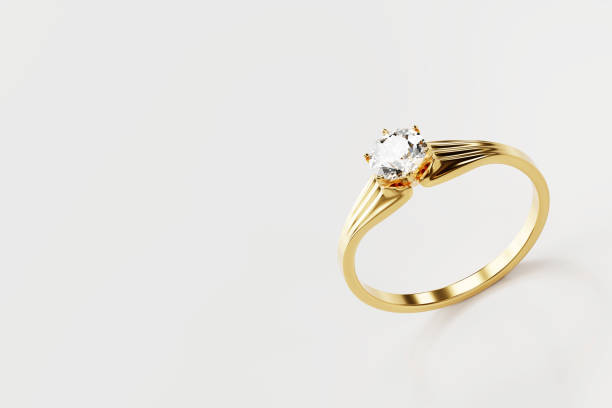
Gold diamond Ring isolated on white background, 3D rendering. Gold diamond Ring isolated on white background, 3D rendering. Gold karat stock pictures, royalty-free photos & images

Selling gold jewelry can be a rewarding way to earn extra income or liquidate assets you no longer need. However, the process is fraught with potential pitfalls and scams. To ensure that you have a safe and secure transaction, it’s important to approach the process with preparation and caution. Below are some actionable tips to help protect yourself during the sales process.

Research the Value of Your Gold Jewelry

Before selling your gold jewelry, it’s crucial to understand its approximate worth. Having a good estimate will help you avoid being lowballed by dishonest buyers.

  • Weigh Your Jewelry: Use a precise scale to measure your jewelry in grams or ounces.
  • Check Purity Levels: Look for markings like 10K, 14K, or 18K on your jewelry. These indicate the percentage of gold content.
  • Research Market Prices: Track daily gold prices online or through trusted financial platforms since market prices fluctuate regularly.

Understanding these factors will give you a clearer picture of what your items are worth and whether an offer is fair.

Choose Reputable Buyers

  1. Licensed Jewelers
    Local jewelers often provide competitive offers and tend to be transparent about their valuation process.
  2. Reputable Pawn Shops
    While not always offering top dollar, reputable pawn shops can still provide fast transactions.
  3. Gold Buying Companies
    Look for well-reviewed companies with established reputations, preferably those accredited by organizations like the Better Business Bureau (BBB).

Always verify credentials before proceeding with any transaction.

Insist on Transparency During Valuation

  • The buyer should weigh your jewelry in front of you using calibrated scales.
  • Ensure they explain how purity levels impact their offer price.
  • Request detailed documentation after receiving an offer, including weight, karat information, and market price calculations.

If anything seems unclear or rushed during this process, consider walking away from the deal.

Avoiding Common Scams

Scam Type Description How to Avoid
Lowball Offers Buyers deliberately undervalue your item hoping you’ll accept it quickly Research market values beforehand
Switcheroo Scam The buyer switches out your genuine piece with a fake one during inspection Always keep your eyes on your item
Counterfeit Checks Payment is made using fraudulent checks that later bounce Insist on cash payments or verified electronic transfers

By staying vigilant against these tactics, you reduce the risk of falling victim to fraudulent schemes.

Secure Payment Methods

  • Opt for cash payments whenever possible.
  • For larger sums, use certified checks or trusted electronic transfer services such as PayPal (with seller protection enabled) or Zelle.
  • Avoid accepting personal checks unless you’re familiar with the buyer’s credibility.

Secure payment ensures that you’re compensated fairly without running into post-sale issues such as bounced checks or chargebacks.

Document Everything

  1. Take clear photographs of each piece before handing it over for evaluation.
  2. Get written documentation from buyers detailing their final offer and terms of purchase.
  3. Retain receipts or proof-of-sale records after completing the deal.

Documentation not only protects against disputes but also provides evidence in case any issues arise later down the line.

Selling gold jewelry doesn’t have to be intimidating if approached cautiously and armed with knowledge about industry practices and potential risks. By following these tips, you can navigate sales safely while maximizing returns on your valuable items without falling victim to scams.

How to Sell Jewelry Safely and Protect Yourself from Fraud

Selling gold jewelry can be a lucrative way to earn money, but it also comes with risks. Without proper knowledge, you could fall victim to scams or receive far less than your jewelry’s true value. Here’s a guide on why learning the right way to sell gold jewelry is essential for safeguarding yourself and maximizing your returns.

Important Risks in Jewelry Buying and Selling Gold

  • Undervalued Appraisals: Some buyers may deliberately undervalue your gold to maximize their own profit.
  • Fake Buyers or Fraudulent Transactions: Scammers posing as legitimate buyers may trick sellers through fake payments or counterfeit checks.
  • Loss of Jewelry in Transit: Selling online often requires shipping, and without proper insurance, you could lose your items entirely.
  • Pressure Sales Tactics: Some buyers may employ high-pressure tactics to convince you to sell at a lower price than your jewelry is worth.

Benefits of Learning Safe Selling Practices

  • Accurate Valuation: Understanding how gold’s weight and purity affect its value ensures fair offers.
  • Recognizing Legitimate Buyers: Identifying trustworthy buyers reduces the chance of fraud.
  • Protection Against Scams: Knowledge helps you spot red flags, such as vague payment terms or suspicious buyer behavior.
  • Maximizing Profits: Awareness of market trends and pricing ensures that you don’t undersell valuable pieces.

Key Steps for Safe Gold Jewelry Transactions

  1. Visit a reputable jeweler or certified appraiser to evaluate your pieces.
  2. Ensure they assess factors like karat weight and current market prices for gold.
  3. Verify credentials of local jewelers or online platforms before engaging in transactions.
  4. Check online reviews and ratings from other sellers for additional insight.
  5. Familiarize yourself with current gold prices, which fluctuate daily based on global markets.
  6. Use this benchmark as a reference point when negotiating offers.
  7. Take clear photos of your items from multiple angles before any transaction.
  8. Keep all communication records with buyers for added security.
  9. Avoid accepting personal checks unless verified by a bank first.
  10. Opt for secure payment options like bank transfers or escrow services when dealing with online buyers.

Red Flags That Signal Potential Fraud

Red Flag Explanation
Buyer refuses proper documentation If they avoid providing receipts or contracts, it’s likely a scam risk.
Drastically low offers compared to market Offers significantly below the current market price are often dishonest.
Vague payment terms Be cautious if the buyer doesn’t clarify how they will pay for your items.
Fake certifications Some scammers present counterfeit certifications claiming higher purity levels.

Final Thoughts on Avoiding Fraud

Selling gold jewelry requires vigilance and preparation throughout the process—from initial valuation to final payment arrangements. By equipping yourself with knowledge of best practices and potential risks, you can protect your assets while ensuring fair compensation for your valuables.

How to Sell Gold Jewelry Online and Avoid Jewelry Scams

Selling gold jewelry online can be a convenient way to earn money, but it comes with its share of risks. Scammers often target sellers who are unaware of common fraud tactics. Below, we’ll outline actionable steps to help you sell gold jewelry online safely and protect yourself from potential scams.

Choose a Reputable Online Platform

  • Online Marketplaces: Platforms like eBay, Etsy, or specialized jewelry marketplaces can provide a safe selling environment if you follow their guidelines.
  • Direct Buyers: Many gold-buying websites specialize in purchasing gold jewelry. Ensure they are licensed and accredited by organizations like the Better Business Bureau (BBB).
  • Peer-to-Peer Selling: If using platforms like Facebook Marketplace or Craigslist, exercise extra caution as these transactions often lack buyer protection.
Platform Type Key Features Safety Measures
Online Marketplaces Wide audience, secure payment options Use platform-provided payment systems
Direct Buyers Quick sales, professional evaluation Verify licenses and accreditations
Peer-to-Peer No fees, direct communication Meet in public locations; cash-only policy

Get Your Jewelry Appraised

  1. Research certified appraisers in your area.
  2. Request a written evaluation detailing weight, karat purity, and overall worth.
  3. Compare appraisals from multiple experts if possible.

Having documentation also makes your listing more credible.

Avoid Common Payment Scams

  • Use Secure Payment Methods: Opt for PayPal or other escrow services that offer seller protection.
  • Beware of Overpayment Schemes: Scammers may send checks exceeding the agreed price and ask for a refund of the difference before the check clears.
  • Never Share Personal Financial Details: Avoid giving out bank account numbers or other sensitive information.

Verify Buyer Authenticity

  • Look for verified profiles on platforms.
  • Check buyer reviews and feedback ratings if available.
  • Be cautious about buyers located internationally—these often present logistical challenges and higher fraud risk.

Insure Your Shipment

  1. Use a trusted courier service with tracking options.
  2. Insure the package for its full value in case it gets lost or damaged during transit.
  3. Require signature confirmation upon delivery.

Proper shipping practices not only safeguard your item but also prevent disputes from arising over undelivered packages.

Red Flags to Watch For

  • Buyers who rush the process or pressure you into accepting their terms quickly.
  • Requests to communicate outside the platform (e.g., via email or phone).
  • Offers that sound too good to be true (e.g., someone offering significantly above market value).

Final Thoughts

Selling gold jewelry online securely requires preparation and vigilance. By using reputable platforms, verifying buyers’ legitimacy, and following safe payment and shipping practices, you can reduce risks associated with scams while ensuring a smooth transaction process.

Selling gold jewelry online can be convenient and profitable, but it also comes with risks. To ensure a secure transaction and avoid scams, it’s essential to approach the process with caution and informed strategies. Below are actionable tips to protect yourself when selling gold jewelry online.

Research Buyers Thoroughly

When selling gold jewelry online, it’s crucial to vet potential buyers or platforms. Look for reviews, ratings, and testimonials to assess their reputation.

  • Established Platforms: Use well-known and trustworthy platforms like reputable auction sites, certified gold buyers, or specialized jewelry resale websites.
  • Verify Credentials: Check for accreditation with organizations like the Better Business Bureau (BBB) or consumer protection agencies.
  • Avoid New or Unverified Buyers: Be cautious about buyers who lack an established track record or have incomplete profiles.

Understand the Value of Your Gold Jewelry

Knowledge is power when it comes to pricing your gold accurately. Scammers are more likely to take advantage if you’re unaware of your item’s worth.

  1. Get your gold appraised by a professional jeweler or gemologist.
  2. Calculate the value based on current market prices for gold (measured in karats) using reliable sources such as financial news websites.
  3. Take note of any additional value from gemstones or craftsmanship that may increase its worth beyond the raw metal value.

Use Secure Payment Methods

The payment method you choose plays a significant role in minimizing risks.

  • Opt for secure payment platforms such as PayPal Goods & Services or Escrow services that hold funds until both parties fulfill their obligations.
  • Avoid wire transfers or direct bank deposits unless you’re working with a trusted buyer.
  • Stay away from cash transactions when dealing remotely.
Payment Method Security Level Recommendation
Escrow Services High Best option for high-value items
PayPal (Goods & Services) High Great for digital transactions
Bank Wire Transfers Moderate Use only if buyer is verified
Cash Low Only in-person with trusted buyers

Watch Out for Common Online Scams

Familiarizing yourself with common online scams will help you recognize warning signs early.

  • Overpayment Scams: A buyer sends more than the agreed price and asks you to refund them the excess amount. Later, their payment bounces.
  • Fake Escrow Services: Fraudulent escrow websites may look legitimate but are designed solely to steal your money or goods.
  • Phishing Attempts: Be wary of links requesting personal data such as banking information; they could be phishing schemes.

Tips for Safe Shipment

  1. Use insured mail services that provide tracking numbers (e.g., FedEx, USPS Registered Mail).
  2. Package your item securely using tamper-proof packaging materials.
  3. Don’t label the package in a way that suggests valuable contents (e.g., avoid writing “gold” or “jewelry” on labels).

Trust Your Instincts and Stay Alert

Finally, always trust your instincts during online transactions. If something feels off—whether it’s an unusually high bid without questions asked or pressure from the buyer—it’s best to proceed cautiously or walk away altogether. By combining vigilance with thorough research and safe practices, you can sell gold jewelry online confidently while avoiding scams.
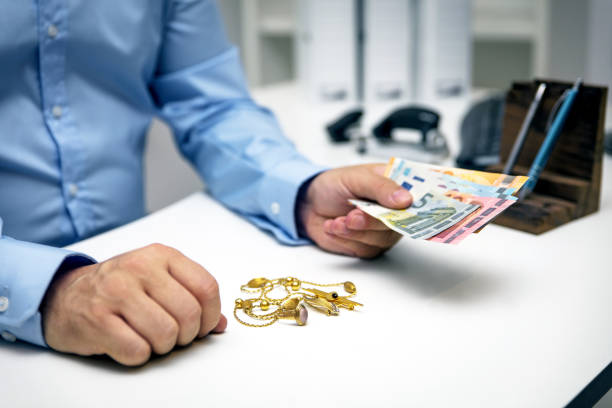
Man buying gold jewellry, pawn shop and euro banknotes Man buying gold jewellry, pawn shop and euro banknotes Gold karat stock pictures, royalty-free photos & images

Jewelry Seller’s Checklist: Key Steps to Maximize Your Offer Price Safely

Selling gold jewelry can be a rewarding process, but without proper preparation, you risk settling for less than its true value or falling victim to scams. A structured approach is essential to maximize your offer price while ensuring safety. Below is a comprehensive checklist designed to help you sell your gold jewelry confidently and effectively.

1. Evaluate the Value of Your Gold Jewelry

Understanding the worth of your gold jewelry is one of the first steps in ensuring you receive a fair price.

  • Understand Karat Purity: Gold purity is measured in karats (e.g., 10K, 14K, 18K). Higher karat values translate to higher gold content.
  • Weigh Your Jewelry Accurately: Use a precise scale to determine the weight of your jewelry in grams or ounces. Remember that gemstones typically don’t count toward the scrap value of gold.
  • Research Market Prices: Check current market rates for gold (spot price) as its value fluctuates daily.
  • Assess Historical/Artistic Value: If your jewelry is antique, rare, or branded (e.g., by Tiffany & Co.), it may be worth more than just its gold content.

2. Choose a Reliable Buyer

Selecting trustworthy buyers can prevent scams and ensure competitive offers.

Type of Buyer Pros Cons
Local Jewelers Quick payment May offer less than online buyers
Online Gold Buyers Convenient Risk of shipping-related issues
Pawnshops Immediate cash options Typically lower payouts
Auction Houses/Marketplaces High potential for unique items Slower process; may involve fees

Look up reviews and verify credentials before committing to any buyer.

3. Compare Offers from Multiple Buyers

Never settle on the first offer you receive. Take time to shop around with multiple buyers both locally and online to identify who provides the most competitive rate for your item’s value.

4. Understand Selling Options

  • Scrap Gold Selling: Meant for broken or unwanted pieces sold based on weight and purity alone.
  • Resale as Jewelry: If in good condition, reselling as-is may fetch higher prices due to added craftsmanship or brand name.
  • Consignment Sales: A consignment shop may sell on your behalf but often charges fees or takes commissions.

Choose an option that aligns with your financial priorities and timeline.

5. Avoid Common Scams

  • Never agree to cash-only deals without proper documentation or receipts.
  • Beware of lowball offers disguised as “appraisals.”
  • Be cautious with mail-in services—ensure shipments are insured and trackable at all times.
  • Avoid selling at “pop-up” locations such as hotel buying events without verified legitimacy.

6. Secure Safe Transactions

  • Meet buyers in public places if selling locally.
  • Request bank transfers instead of handling large sums of cash.
  • Document every aspect of the sale—including photographs, appraisals, and written agreements—to protect against disputes later on.

By following this checklist and employing best practices at every stage, you can confidently navigate through the complexities of selling gold jewelry while maximizing both security and profit potential.

Recognizing Red Flags When Selling or Buying Gold Jewelry Online or In-Person

Red Flags When Selling Gold Jewelry

  1. Ensure the buyer you are working with has proper licensing. Many regions require gold buyers to hold specific certifications to operate legally.
  2. Check for reviews or complaints against the buyer on platforms like the Better Business Bureau (BBB).
  3. Watch out for buyers who rush you into making decisions without giving you time to evaluate your jewelry’s true value. Legitimate buyers should allow you ample time to compare prices and offers.
  4. Some buyers may undervalue your gold by using inaccurate weighing scales or providing misleading information about the purity of your jewelry (karat value). Always verify their claims with a second opinion from another appraiser.
  5. Avoid conducting business without a written contract that clearly outlines the terms of sale, including weight, karat grade, agreed-upon price, and payment method.
  6. Be cautious if a buyer insists on cash-only payments or refuses secure payment options like wire transfers or checks.

Red Flags When Buying Gold Jewelry

  1. Always request documentation such as certificates of authenticity or appraisals when purchasing gold jewelry, especially if it’s labeled as high-purity (e.g., 18K or 24K).
  2. If a deal seems too good to be true, it probably is. Scammers often lure buyers with extremely low prices but deliver counterfeit items made from gold-plated materials instead of solid gold.
  3. Be wary if sellers avoid questions about where they acquired the item or refuse to disclose detailed information about its quality and condition.
  4. Only purchase from recognized platforms that provide buyer protections such as eBay Verified listings, Etsy guarantees, or other similar services.
  5. A legitimate seller typically offers some form of return policy within a set period (e.g., 14–30 days) to ensure customer satisfaction and product authenticity.

Questions You Should Ask Before Transacting

For Sellers For Buyers
What is your licensing/certification? Is this item certified/authenticated?
How will my jewelry be weighed/tested? Can I see proof of appraisal?
Will I receive a detailed receipt? Do you offer any return policies?
How will I be paid for my gold? Are there additional fees involved?

Best Practices for Safe Transactions

  • Use reputable jewelers, pawnshops, or online platforms with established trust records.
  • Research current market prices for gold before entering negotiations.
  • Trust your instincts; if something feels off during the process, step away from the deal.
  • Seek professional advice from certified appraisers when in doubt about an item’s worth.

By understanding these warning signs and following best practices during transactions, you’ll minimize risks while maximizing gains in buying or selling gold jewelry safely.

Expert Advice on Selling Luxury Jewelry Safely and Securing the Best Value

Selling luxury jewelry can be a rewarding experience, but it requires careful planning and knowledge to ensure you make a safe and profitable transaction. Whether you’re parting with a cherished piece or liquidating an investment, following expert advice can help you steer clear of scams and guarantee the best possible value. Below are key strategies to guide your process.

Understand the True Value of Your Luxury Jewelry

  • Get a Professional Appraisal:
    Work with certified gemologists or appraisers who specialize in luxury pieces. Look for individuals accredited by reputable organizations such as the Gemological Institute of America (GIA) or the American Gem Society (AGS).
  • Research Comparable Sales:
    Look up recent sales data for similar pieces on platforms like auction houses or reputable online marketplaces.
  • Understand Market Trends:
    The value of specific gemstones, metals, and designs fluctuates based on demand. For instance, vintage designs might be particularly popular at certain times.

Choose the Right Selling Method

Selling Method Pros Cons
Consignment Stores Allows professional display Fees may reduce overall payout
Online Marketplaces Broad audience potential Risk of scams or disputes
Auction Houses May yield high value for rare pieces High commission fees
Direct Sale to Buyers Quick transactions Potential for underpayment

Consider combining methods if you have multiple pieces to sell or if one method feels too limiting.

Recognize Red Flags During Transactions

  • Unsolicited Offers:
    Be cautious if someone contacts you out of the blue claiming they’re interested in buying your jewelry.
  • Pressure Tactics:
    Scammers often use high-pressure tactics to rush decisions. A credible buyer will give you time to consider offers.
  • Requests for Additional Payments:
    If a buyer asks you to pay for shipping, insurance, or other fees upfront, this could be a scam.

Tips for Protecting Your Investment

  1. Keep all original documentation (e.g., receipts, certificates of authenticity). These add credibility when proving your jewelry’s value.
  2. Insure high-value items before taking them out of your possession.
  3. Meet buyers in secure locations—preferably public spaces monitored by cameras.
  4. Review payment methods carefully—a wire transfer is generally more secure than personal checks.
  5. Use escrow services when conducting online transactions to protect funds until both parties fulfill their obligations.

Selling luxury jewelry requires diligence but adhering to these principles will help safeguard your assets while maximizing their financial return potential. By arming yourself with knowledge about valuation processes, selling channels, and security practices, you’ll be well-prepared for successful transactions in any marketplace.


Top Tips for Safe Jewelry Buying and Selling OnlineTop Tips for Safe Jewelry Buying and Selling Online


| | 0 Comment| 10:35 am

Trying on a ring Young attractive woman trying on a diamond ring jewelry store stock pictures, royalty-free photos & images

Shopping for jewelry online has become increasingly popular, offering convenience and access to a wide variety of designs. However, the rise in online transactions has also led to an increase in jewelry scams. Fraudulent online stores can easily deceive consumers, leading to financial losses or the receipt of substandard products. Understanding how to identify these scams is crucial for protecting your investment.

Common Signs of a Jewelry Online Store Scam

  • Unrealistic Prices: If a store offers high-value jewelry at prices that seem too good to be true, it likely is. Scammers often lure buyers with heavily discounted prices.
  • No Contact Information: Legitimate businesses usually provide clear contact details such as an email address, phone number, and physical address. Be wary of stores that don’t have this information.
  • Poor Website Design: Fraudulent websites often lack professional design elements. Look out for spelling errors, low-quality images, or broken links.
  • Lack of Secure Payment Options: Always check if the website uses secure payment systems like SSL encryption (indicated by “https” in the URL). Avoid making purchases on unsecured sites.
  • No Return Policy: A trustworthy store will have clear policies on returns and refunds. If this information is missing or vague, it’s a warning sign.

Best Practices to Avoid Becoming a Victim

  1. Look up reviews on third-party platforms such as Trustpilot or Google Reviews.
  2. Search for the company name alongside terms like “scam” or “fraud” before purchasing.
  3. Check if the company is registered and whether it has an official business license.
  4. Look up their social media presence; active interaction with customers can indicate authenticity.
  5. Authentic sellers provide detailed descriptions including materials used (e.g., gold purity measured in karats), weight, and certifications.
  6. Vague or overly generic descriptions may indicate counterfeit or low-quality products.
  7. Reach out with questions before placing an order. Legitimate businesses typically respond promptly with professional answers.
  8. Avoid wire transfers or payments made directly through gift cards or cryptocurrency.
  9. Credit cards and established third-party payment processors like PayPal offer better buyer protection options.

Checklist for Evaluating an Online Jewelry Store

Factor Red Flags What You Should See
Pricing Prices far below market value Reasonable pricing aligned with quality
Contact Info Missing email/phone/address Easily accessible contact details
Website Security No “https” in URL Secure site indicated by “https”
Customer Reviews Overwhelmingly negative reviews Balanced feedback from real customers
Return Policy Nonexistent Clear return/refund terms

Why Vigilance Matters

Falling victim to a jewelry scam not only results in financial loss but can also erode trust in online shopping as a whole. Scammers often exploit emotional connections—such as buying gifts for loved ones—to manipulate targets into acting quickly without due diligence.

By taking the time to evaluate sellers thoroughly and staying informed about common tactics used by scammers, you can ensure your online jewelry shopping experience remains safe and enjoyable while protecting yourself from fraudulent schemes.

The rise of e-commerce has made it easier than ever to purchase jewelry online. However, it has also led to an increase in fraudulent activities targeting unsuspecting buyers. To safeguard your investment and avoid being scammed, it’s crucial to adopt the following practices when shopping for jewelry online.

Research the Seller Thoroughly

Before making a purchase, take time to investigate the seller. Here’s how:
Check for a Physical Address: Legitimate businesses often list their physical location on their website. Avoid sellers that provide no contact information or only vague details.
Verify Business Registration: Look up the company’s registration status with relevant authorities or business registries in their jurisdiction.
Search for Online Presence: Authentic sellers typically have an online presence beyond just their e-commerce site, such as verified social media accounts or features in reputable publications.

Look for a Secure Website

Feature What to Look For Why It Matters
HTTPS Protocol Look for “https://” at the start of the URL Encrypts data during transactions
SSL Certificates Check for a padlock symbol near the URL Confirms secure communication between you and the site
Trust Seals Trusted badges like Norton or McAfee Indicates additional security measures

If a website lacks these features, it’s best to avoid making any purchases from it.

Be Wary of Prices That Seem Too Good to Be True

  1. Compare prices on multiple platforms or with trusted retailers.
  2. Research the average cost of materials like gold, diamonds, or gemstones.
  3. Understand that genuine quality comes at a price; extremely low prices may point toward counterfeit goods or scams.

Prioritize Payment Security

  • Avoid direct bank transfers or wire payments as they lack buyer protection.
  • Use credit cards instead of debit cards since they offer better fraud protection.
  • Consider platforms like PayPal, which often include dispute resolution services.

If a seller insists on untraceable payment methods such as cryptocurrency, view this as a red flag.

Assess Customer Reviews and Ratings

  • Focus on reviews on third-party platforms rather than those hosted directly on the seller’s website.
  • Watch out for patterns of complaints about undelivered items or misrepresented products.
  • Be cautious if all reviews seem overly positive without any constructive feedback—this could indicate fake reviews.

By taking these precautions, you can significantly reduce your chances of falling victim to jewelry-related online fraud while ensuring your purchases are secure and legitimate.

The Importance of Verifying Website Security When Buying Jewelry Online

Purchasing jewelry online has become increasingly common, offering convenience and access to a vast array of choices. However, it also comes with risks, as scammers often exploit online platforms to deceive customers. To stay protected, verifying website security is crucial when shopping for jewelry online. Below are key strategies to ensure you’re making secure transactions.

Look for HTTPS in the URL

A secure website will have “HTTPS” (Hypertext Transfer Protocol Secure) at the beginning of its web address instead of just “HTTP.” The “S” signifies that the site uses encryption to protect your sensitive information during transactions. Here’s what you should check:
Secure URL Format: Ensure the web address begins with https://.
Padlock Icon: Look for a small padlock icon in your browser’s address bar, which indicates an encrypted connection.

Check for Trustworthy Payment Gateways

A legitimate jewelry website will use established and reliable payment gateways. Secure payment options reduce the risk of exposing sensitive banking or credit card details. Popular and trustworthy payment providers include:
– PayPal
– Stripe
– Square
– Major credit card networks (e.g., Visa, MasterCard)

Avoid websites that request direct bank transfers or payments through untraceable methods like cryptocurrency unless you’re absolutely certain about their legitimacy.

Evaluate Security Certificates

Websites that value their customers’ privacy typically invest in SSL (Secure Sockets Layer) certificates. A current SSL certificate ensures secure data transmission between you and the website’s server. To verify this: 1. Click on the padlock icon in your browser. 2. Check certificate details such as issuance by reputable authorities like DigiCert or Let’s Encrypt. 3. Confirm that the certificate is active and not expired.

Use Secure and Private Networks

When purchasing jewelry online, avoid using public Wi-Fi connections, such as those in coffee shops or airports, which are vulnerable to cyberattacks. Instead: – Use your home Wi-Fi network with a strong password. – Consider enabling a Virtual Private Network (VPN) for added protection.

Red Flags Indicating a Lack of Website Security

Fraudulent websites often lack basic security features or display warning signs that savvy buyers need to recognize immediately: | Red Flag | What It Means | |————————————|———————————————————————————–| | HTTP instead of HTTPS | Data transmission is not encrypted and may be exposed to hackers. | | Expired SSL Certificate | Indicates negligence or potential fraud—avoid entering personal information here. | | No Payment Gateway Logos | Legitimate businesses prominently display trusted payment provider logos on-site. | | Strange Pop-Ups or Redirects | May indicate phishing attempts—exit immediately if suspicious activity occurs. |

Verify Contact Information on the Website

Authentic businesses typically provide multiple ways to get in touch, including phone numbers, email addresses, physical addresses, and sometimes live chat options. To confirm legitimacy: – Call the provided number and check responsiveness. – Search for reviews mentioning customer service experiences. – Use Google Maps to verify physical store locations if listed.

By following these steps, you can greatly reduce the risk of falling victim to fraudulent jewelry websites while ensuring safe online purchases from verified vendors with proper security measures in place.

How to Recognize Authenticity Certifications for Genuine Jewelry Purchases

When purchasing jewelry, particularly online or from unfamiliar sellers, understanding and recognizing authenticity certifications is crucial. These certifications ensure that the jewelry meets specific standards of quality and authenticity. Knowing what to look for can help you make informed purchases and avoid falling victim to scams.

What Are Authenticity Certifications?

Authenticity certifications are official documents issued by recognized gemological laboratories or trusted organizations. These certificates provide details about the jewelry piece, including information on gemstones, metals, and overall craftsmanship. They serve as evidence that the item has been evaluated by professionals using standardized methods.

Common Types of Jewelry Certifications

Certification Authority Focus Area Why It Matters
GIA (Gemological Institute of America) Diamonds and colored gemstones Known for rigorous grading processes
AGS (American Gem Society) Diamonds Provides detailed cut grades
IGI (International Gemological Institute) Diamonds, gemstones, and lab-grown diamonds Offers comprehensive evaluations
HRD Antwerp European certification for diamonds Recognized globally for its accuracy

Familiarize yourself with these organizations’ logos and formatting styles since counterfeit certificates can occasionally mimic authentic ones.

Key Details on an Authenticity Certificate

  • Stone Grading: Includes clarity, color, carat weight, and cut grade.
  • Metal Information: Specifies whether the metal is gold (and its karat level), platinum, or silver.
  • Serial Numbers: Many certifications include a unique identification number tied to the item.
  • Laboratory Seal or Logo: A legitimate seal from a recognized authority should be present.

Always cross-check these details with the certifying body’s database if possible.

Red Flags in Fake Certifications

  • Spelling errors or grammatical mistakes within the document.
  • Poor-quality printing on the certificate.
  • Missing contact details or website information of certifying authorities.
  • The absence of a verification serial number.

If you suspect foul play, compare the certificate with examples from official websites or email the certifying organization directly for validation.

Tips for Verifying Jewelry Authenticity

  1. Research Before Buying: Only purchase from sellers who provide certificates issued by reputable entities like GIA or AGS.
  2. Request Documentation: Always ask for a copy of an authenticity certificate before completing your purchase.
  3. Verify Online: Many certification bodies maintain online databases where you can check your item’s serial number against their records.
  4. Consult an Independent Expert: If in doubt, take your jewelry to a licensed jeweler or gemologist for independent verification.

Understanding how to recognize authenticity certifications empowers you as a buyer and minimizes potential risks when shopping for jewelry online or in-store. Making informed decisions ensures your investment retains both sentimental and monetary value over time.

Gold jewelry diamond shop with rings and necklaces luxury retail store window display showcase Gold jewelry diamond shop with rings and necklaces luxury retail store window display showcase jewelry store stock pictures, royalty-free photos & images

How to Avoid Scams When You Sell Jewelry

Finding a stunning piece of jewelry at a seemingly unbeatable price may feel like winning the lottery, but such deals often come with hidden risks. Unrealistic discounts and offers from online or in-person sellers can be red flags signaling counterfeit goods, scams, or unethical business practices. It’s important to approach such deals with caution and critically analyze them to avoid falling victim to fraud.

Why Unrealistic Deals Are Common in Jewelry Scams

  • High Perceived Value: Jewelry is inherently associated with value and prestige, making outrageous discounts seem like a rare opportunity.
  • Emotional Appeal: Buyers may feel pressured to act quickly out of fear that the deal might disappear.
  • Lack of Transparency: Fraudulent sellers often omit details about material authenticity, crafting quality, or certifications.

Red Flags for Unrealistic Jewelry Deals

  1. Example: A diamond necklace priced at $500 when similar items retail for $5,000.
  2. Tip: Research market pricing for similar pieces from reputable retailers before making any purchase.
  3. Phrases like “100% genuine,” “authentic gold,” or “certified diamonds” without any proof.
  4. Tip: Verify claims by asking for documentation such as certificates from recognized gemological organizations (e.g., GIA or AGS).
  5. A seller refusing returns or offering vague policies is often trying to avoid accountability.
  6. Tip: Always read the fine print before agreeing to any transaction.
  7. Websites lacking HTTPS encryption or proper security badges might be fraudulent.
  8. Tip: Look for secure payment options and visible trust seals from entities like Norton or McAfee.

Practical Steps to Evaluate Suspicious Deals

Step Action
Research Use search engines and trusted sources to compare prices for similar items.
Ask Questions Request information about materials, origin, and warranties.
Check Seller Reviews Read customer feedback on platforms like Trustpilot or Google Reviews.
Verify Certifications Confirm authenticity with independent gemological labs if possible.

Why Being Skeptical Saves Money

Falling for unrealistic deals can cause financial losses far greater than the perceived savings. Common outcomes include receiving counterfeit jewelry made from inferior materials, losing money entirely due to undelivered products, or even becoming vulnerable to identity theft through unsafe transactions.

By maintaining a healthy level of skepticism toward unbelievable deals on jewelry and researching thoroughly before buying, you can protect yourself against fraud while ensuring your purchases deliver true value and quality. Your diligence will help you make informed choices that align with your budget without compromising integrity and trustworthiness in your transactions.

The Role of Customer Reviews and Ratings in Detecting Jewelry Scams

Customer reviews and ratings are an essential tool for identifying fraudulent jewelry sellers, particularly when shopping online. Scammers often use deceptive tactics to lure unsuspecting buyers into purchasing counterfeit or low-quality jewelry. By carefully analyzing reviews and ratings, you can make more informed decisions and protect yourself from falling victim to such scams. Below are detailed insights into how customer feedback can help safeguard your purchase.

Why Customer Reviews Matter

When it comes to online shopping, reviews provide valuable insights about a company’s credibility and the quality of its products or services. Here’s why they are critical:
Transparency: Authentic reviews offer real-world experiences from previous customers. – Patterns of Behavior: Repeated complaints about delayed shipping, poor-quality products, or lack of communication can indicate a potential scam. – Product Insights: Honest reviews shed light on whether the jewelry matches its description, including materials used and craftsmanship.

Reviews essentially give you a sneak peek into what you can expect when dealing with a particular seller.

Red Flags to Watch For in Reviews

  1. Be cautious if all reviews are five stars but lack specific information about the product or service experience.
  2. A series of identical or nearly identical comments may suggest fake feedback intended to inflate customer trust artificially.
  3. Platforms like Amazon include “Verified Purchase” markers on authentic reviews written by people who actually bought the product.
  4. If multiple reviewers claim they never received their items or were sent inferior products, this is a clear warning sign.

Tips for Using Customer Reviews Effectively

  • Check Multiple Platforms: Look at reviews across different websites (e.g., Trustpilot, Google Reviews) instead of relying solely on what’s posted on the seller’s site.
  • Analyze Both Positive & Negative Feedback: Pay attention not only to glowing testimonials but also critical ones that highlight potential issues.
  • Look for Trends Over Time: Assess whether the quality of service has improved or declined over time by reading newer comments.
  • Engage with Reviewers When Possible: On forums or social media pages, try reaching out directly to reviewers for clarification if something seems unclear.

Rating Systems and Their Pitfalls

Rating Range What It May Mean
4–5 Stars Generally positive but could include fake ratings
3 Stars Mixed experiences; research further
1–2 Stars Likely negative; verify recurring issues

Final Thoughts on Leveraging Reviews

Customer reviews and ratings play an influential role in detecting scams and verifying trustworthy jewelry sellers online. However, exercising caution is key—reviews alone shouldn’t dictate your decision-making process. Pair your findings with additional research such as verifying website security features, reviewing return policies, and validating authenticity certifications before making any purchase decisions.

Steps to Take Immediately If You Are Scammed by a Jewelry Seller

Falling victim to a jewelry scam can be a stressful and disheartening experience, but acting swiftly and decisively can help you mitigate the damage. Below are some practical steps you can take if you’ve been scammed by a jewelry seller.

1. Gather Evidence

Before taking any action, collect all relevant documentation related to your purchase. This evidence will be essential when filing reports or disputes. Key items to gather include:
Receipts or invoices: Proof of payment for the jewelry item.
Order confirmations: Emails or screenshots confirming your order details.
Communication records: Any emails, text messages, or chat logs with the seller.
Photos of the product: Clear images showcasing what you received versus what was advertised (if applicable).

2. Contact the Seller Directly

In some cases, scams may be unintentional due to poor customer service or misrepresentation. Reach out to the seller via email or through their website’s support channel to explain your issue and request a resolution. If they fail to respond promptly or dismiss your concerns, proceed with further action.

3. File a Dispute with Your Payment Provider

If you purchased the jewelry using a credit card, debit card, or an online payment platform like PayPal, contact your provider immediately and file a dispute for fraudulent activity. Most financial institutions offer buyer protection policies and can assist in recovering your funds if fraud is proven.

Payment Method Suggested Action
Credit Card File a chargeback request through your card issuer
Debit Card Contact your bank for potential refund options
Online Payment Services Open a case within their resolution center

4. Report the Scam to Authorities

Jewelry scams are illegal activities that should be reported to relevant authorities for investigation and prevention of further frauds against others. Agencies where you can report scams include:
Federal Trade Commission (FTC) in cases occurring in the United States (https://reportfraud.ftc.gov).
Internet Crime Complaint Center (IC3) for online-based scams (www.ic3.gov).

For international buyers, report incidents through local consumer protection agencies or law enforcement offices.

5. Share Warnings via Reviews and Online Forums

Informing others about your negative experience helps prevent additional victims from falling into similar traps. Leave honest reviews on platforms such as Google Reviews, social media pages of the seller, Trustpilot, Yelp, or wherever applicable while maintaining professionalism in tone.

6. Monitor Your Financial Activity

Scammers may use any personal information gained during transactions for further exploitation such as identity theft or unauthorized charges on accounts connected digitally—remain vigilant regarding suspicious deductions henceforth safeguarding privacy protocols better overall .

Jewelry on window display Jewelry Store. jewelry store stock pictures, royalty-free photos & images

How Education Can Help You Avoid Jewelry Scams

Educating yourself is one of the most effective ways to safeguard against jewelry scams. A strong understanding of common tactics used by scammers, how to evaluate jewelry quality, and what red flags to watch for can empower consumers to make informed decisions. Below are actionable insights on how education plays a critical role in avoiding fraud.

Learn the Basics of Jewelry Quality

  • Precious Metals: Learn about common metals like gold, silver, and platinum. Familiarize yourself with hallmark stamps such as “14K,” “18K,” or “925” for sterling silver.
  • Gemstones: Research popular gemstones such as diamonds, emeralds, and sapphires. Understand key factors like clarity, cut, color, and carat weight (the 4Cs).
  • Certificates of Authenticity: Educate yourself on widely recognized certifications from organizations like GIA (Gemological Institute of America) or IGI (International Gemological Institute).

Recognize Common Scam Tactics

  • Fake Discounts: Be wary of websites offering “limited-time” deals with massive price reductions that seem too good to be true.
  • Counterfeit Jewelry: Scammers often sell fake items labeled as genuine pieces. Educating yourself on methods for identifying counterfeit items can save you from falling victim.
  • Impersonation Scams: Some scammers pose as reputable brands or sellers online by creating lookalike websites or social media profiles.

Utilize Trusted Educational Resources

Resource Type Examples Purpose
Industry Websites GIA.edu, American Gem Society To learn about gemstone grading standards
Consumer Protection Agencies Federal Trade Commission (FTC), Better Business Bureau For tips on avoiding scams
Local Jewelers Reputable brick-and-mortar stores To gain firsthand advice on evaluating quality
Online Courses Udemy, Coursera For in-depth education about fine jewelry

Stay Updated on Evolving Scams

Scammers continuously adapt their methods as technology advances and consumer awareness grows. Stay informed by subscribing to industry newsletters, reading blogs dedicated to consumer protection, or following regulatory bodies that report on fraud trends.

Importance of Critical Thinking

Education fosters critical thinking skills essential for spotting inconsistencies in offers or claims made by sellers. Before purchasing any high-value item like jewelry online:
1. Research the seller thoroughly. 2. Cross-reference product descriptions with trusted sources. 3. Ask questions about return policies and guarantees before making a commitment.

Through proper education and vigilance, you can protect yourself from falling prey to deceptive tactics within the jewelry market while ensuring secure purchases for years to come.


How to Sell Jewelry and Avoid Common ScamsHow to Sell Jewelry and Avoid Common Scams


| | 0 Comment| 10:35 am

Young woman buying a golden diamond necklace Young woman buying a golden diamond necklace and paying with a credit card jewelry store stock pictures, royalty-free photos & images

The rise of e-commerce and digital platforms has brought both convenience and risk to consumers. While purchasing jewelry online can be a seamless experience, it has also opened the door for scammers to exploit unsuspecting buyers and sellers. Understanding the nuances of these scams is essential in protecting yourself when navigating online marketplaces.

Common Online Jewelry Scams

  1. Scammers sell fake or counterfeit jewelry claiming it is authentic.
  2. Materials like gold-plated brass or cubic zirconia are often passed off as solid gold or genuine diamonds.
  3. Often involves misleading product descriptions or falsified certificates of authenticity.
  4. Buyers pay for jewelry products that never arrive.
  5. Fraudulent sellers may shut down their websites or delete marketplace accounts after receiving payments.
  6. Switch-and-Return Fraud (Affecting Sellers)
  7. Buyers order genuine, high-quality jewelry but return counterfeit pieces for a refund.
  8. This scam exploits return policies offered by retailers and online platforms.
  9. Fake e-commerce stores designed to mimic legitimate jewelry retailers trick customers into entering payment details.
  10. Victims may lose money upfront, while sensitive financial information is stolen for further fraudulent activity.
  11. Sellers on social media platforms might post attractive deals on luxury or custom-made jewelry that appears too good to be true.
  12. Once payment is made, scammers disappear without delivering the promised goods.

Warning Signs to Watch For

  • Unrealistic Prices: Jewelry listed at prices dramatically below market value is often counterfeit or non-existent.
  • No Return Policies: Legitimate businesses generally offer reasonable return policies; refusal to provide one could indicate fraud.
  • Poor Product Descriptions: Vague or inconsistent details about materials, karat weight, gemstones, or certifications suggest unreliable sellers.
  • Lack of Contact Information: Reputable businesses provide verifiable contact methods such as phone numbers, addresses, or customer service email addresses.
  • Pressure Tactics: Scammers often try to rush you into making quick decisions by offering “limited time” deals.

Tips for Safe Online Transactions

  • Purchase only from trusted websites with verified reviews and ratings.
  • Research sellers thoroughly before making a purchase; check for detailed product listings and clear photographs.
  • Use secure payment methods like credit cards that offer buyer protection instead of wire transfers or direct bank deposits.
  • Verify certifications when buying diamonds or precious stones through reputable entities like GIA (Gemological Institute of America).
Payment Method Security Level Recommended Use
Credit/Debit Cards High (Buyer Protection) Yes
PayPal Moderate Yes
Wire Transfers Low (High Risk) No

By educating yourself about common tactics used by scammers and taking proactive steps during transactions, you can reduce your vulnerability significantly when buying or selling jewelry online.

Jewelry scams are a pervasive issue in the modern marketplace, especially with the rise of online shopping platforms and social media. Scammers often exploit consumers’ lack of knowledge about jewelry and precious stones, using deceptive tactics to sell low-quality or counterfeit items at inflated prices. Understanding how these scams operate is crucial for protecting yourself from falling victim to them.

Tips to Avoid Scams When Jewelry Buying and Selling

  • Mislabeled Materials: Selling pieces labeled as gold or platinum that are actually gold-plated or made from cheaper metals.
  • Synthetic Gemstones: Passing off lab-grown or synthetic stones as natural gemstones, often at prices much higher than their actual value.
  • Counterfeit Designer Pieces: Creating fake replicas of luxury brand jewelry and claiming that they are authentic.
  • Bait-and-Switch Tactics: Advertising high-quality jewelry but delivering substandard or entirely different products once payment has been made.
  • Certificate Forgery: Providing counterfeit gemstone certification documents from fake labs to give legitimacy to low-quality stones.

How Scammers Target Victims

  1. Online Marketplaces
    Websites like eBay or Facebook Marketplace can be rife with fraudulent sellers offering “too-good-to-be-true” deals on expensive items.
  2. Social Media Ads
    Instagram and Facebook ads may feature eye-catching designs that lure unsuspecting buyers into purchasing poorly made or fake products.
  3. Phony Jewelry Stores
    Pop-up shops, traveling vendors, or websites masquerading as reputable jewelers may scam customers with overpriced or counterfeit goods.
  4. Pressure Sales Tactics
    Scammers might use high-pressure sales techniques to rush you into making decisions without allowing you time to verify the authenticity of the product.

Red Flags You Need to Watch Out For

  • Unbelievably low prices on what should be high-value items.
  • Sellers who refuse to provide clear documentation, including receipts or certificates.
  • Vague descriptions in listings, such as “gold-colored” instead of specifying karat weight.
  • Poor quality photos on online listings that obscure item details.
  • “No returns” policies that prevent buyers from addressing issues after purchase.

How These Scams Impact Buyers

Falling for a jewelry scam not only results in financial loss but can also erode trust in legitimate sellers within the industry. Victims may lose hundreds—or even thousands—of dollars while receiving items worth only a fraction of what they paid for.

Scam Type Impact on Buyers Example Losses
Counterfeit Designer Buyer loses money on fake luxury brands Paying $500 for a $20 fake piece
Misrepresented Materials Deceptive sales lead to overpayment Purchasing “gold” that is plated
Synthetic Sold As Natural Overpaying for lab-grown gemstones Paying $2,000 for a $200 stone

Educating Yourself About Jewelry

Knowledge is your strongest ally against scams. Learn about common terms used in the industry (e.g., carat weight, clarity grades), understand how genuine certifications work, and research average market prices before making any purchase decisions.

By staying informed and vigilant, you can greatly reduce your risk of falling victim to these fraudulent schemes.

Understanding Common Jewelry Scams and How to Avoid Them

Jewelry scams are becoming increasingly sophisticated, preying on unsuspecting buyers and sellers alike. Whether you’re shopping for a meaningful piece or selling an item of value, it’s essential to recognize these schemes. Below, we delve into common jewelry scams and provide actionable tips to safeguard yourself.

Common Types of Jewelry Scams

  1. Counterfeit Jewelry Sales
    Scammers sell fake jewelry as authentic pieces, often at prices that seem too good to be true. These items may include counterfeit diamonds, gold-plated metals marketed as solid gold, or imitation gemstones.
  2. Red Flag: Lack of certification or vague claims about the product’s authenticity.
  3. How to Avoid: Request certificates of authenticity from reputable organizations like GIA (Gemological Institute of America) or IGI (International Gemological Institute).
  4. Online Market Scams
    Online platforms are often breeding grounds for fraud because buyers cannot physically inspect the item before purchasing it.
  5. Red Flag: Sellers refusing to provide detailed photos or additional information about the item.
  6. How to Avoid: Use trusted marketplaces with buyer protection policies and check seller reviews before making a purchase.
  7. Bait-and-Switch Tactics
    This scam involves showing buyers a high-quality piece but delivering something entirely different after payment has been made.
  8. Red Flag: Offers that require upfront payments without any guarantees in writing.
  9. How to Avoid: Insist on inspecting the product in person or through verified intermediaries when purchasing remotely.
  10. Overpayment Fraud in Selling Jewelry
    In this scam, fraudsters overpay for a jewelry item using fake checks or stolen credit cards and then request a partial refund before the transaction clears.
  11. Red Flag: Buyers insisting on unusual payment methods or pressuring you into accepting overpayments.
  12. How to Avoid: Wait for payments to fully clear before shipping an item and stick to secure payment platforms like PayPal Goods & Services.

Key Warning Signs of Jewelry Scams

Warning Sign What It Means
Unrealistically low prices The jewelry may be counterfeit
No return/refund policy The seller may not stand by their products
Lack of certifications The authenticity of the jewelry is questionable
High-pressure sales tactics Scam artists often create urgency
Poor online seller reviews Other customers have likely had issues

Proactive Steps You Can Take

  • Verify certifications through recognized labs like GIA, AGS, or IGI.
  • Purchase from reputable jewelers with physical stores or established online presences.
  • Be cautious when dealing with private sellers on platforms like Craigslist or Facebook Marketplace.
  • Always use secure payment methods such as credit cards (which offer fraud protection) instead of wire transfers.
  • When selling, consider using escrow services for high-value transactions.

By understanding how common jewelry scams operate and taking protective steps, you can minimize your risks while buying or selling valuable pieces. Education is your best defense against fraud in this industry—stay informed and vigilant at all times when engaging in jewelry transactions.

gold chains and bracelets on jewelry display gold chains and bracelets on jewelry display jewelry store stock pictures, royalty-free photos & images

How to Avoid Jewelry Scams: Essential Warning Signs to Watch For

When it comes to buying or selling jewelry, scams are unfortunately all too common. Fraudulent sellers and buyers often use deceptive tactics to exploit unsuspecting individuals. By recognizing precautionary warning signs, you can protect yourself from falling victim to such schemes. Below is a detailed guide on identifying red flags in jewelry transactions.

Suspiciously Low Prices

  • Research Market Value: Compare the price with similar items from reputable retailers or jewelers.
  • Check for Consistency: If a seller lists several items with unusually low prices, this could indicate counterfeit goods or fraud.
  • Avoid Impulse Decisions: A common tactic scammers use is creating urgency (e.g., “limited-time offer”) to pressure buyers into acting without proper research.

Lack of Verifiable Documentation

Documentation Type What It Confirms
Gemological Certificate Authenticity and grade of stones
Proof of Purchase Ownership and payment history
Appraisal Report Estimated value and authenticity

If the seller cannot produce these documents or hesitates when asked for them, it should raise suspicion.

Vague Product Descriptions or Poor Images

  • Blurry or generic photos that may be copied from other websites.
  • Incomplete product descriptions lacking information about materials, karat weight, or certifications.
  • Use of overly technical jargon intended to confuse rather than inform.

Unverified Online Sellers

  • No customer reviews or mostly fake-looking positive reviews.
  • Limited contact information—only an email address with no phone number provided.
  • Newly created accounts with minimal activity history.

High Pressure Tactics from Sellers

  • Claiming there are multiple buyers showing interest in the same item.
  • Insisting on immediate payment through unverifiable methods such as gift cards or cryptocurrency.
  • Refusing requests for further verification like additional photos, video calls showcasing the item, or in-person viewings.

Irregular Payment Requests

  1. Requests for wire transfers instead of secure platforms like PayPal or credit cards.
  2. Asking for personal financial information such as bank account details directly over email.
  3. Demanding upfront deposits before providing any proof of ownership.

By remaining vigilant and educating yourself about these warning signs, you can reduce your risk when engaging in jewelry-related transactions online or offline.

Essential Tips to Protect Yourself from Jewelry Scammers

Jewelry scams are becoming increasingly sophisticated, making it essential for consumers to stay vigilant. Whether purchasing online, at a local store, or through private sellers, being aware of common tactics used by scammers can save you from financial loss and emotional distress. Below are practical and actionable tips to protect yourself from falling victim to jewelry fraud.

Research Thoroughly Before Buying

  • Verify the Seller’s Credentials: Check for certifications like Gemological Institute of America (GIA) or American Gem Society (AGS). These organizations ensure that sellers adhere to ethical standards.
  • Read Reviews and Ratings: Go through customer feedback on independent platforms to identify any red flags. Avoid sellers with consistent complaints about fake or low-quality items.
  • Check Online Presence: Scam artists often have minimal information available online. Look for a professional website, detailed contact information, and an active social media presence.

Request Proper Documentation

  • Certificates of Authenticity: Ensure gemstones come with trusted certifications like GIA or AGS reports stating the quality and authenticity of materials used.
  • Receipts and Appraisals: A legitimate jeweler will provide detailed receipts including weight, clarity, carat size, and metal purity details.
Document Type Purpose Notes
Certificates of Authenticity Confirms quality & origin of gemstones Must be issued by a recognized authority
Detailed Receipts Provides transparency on product details Includes weight, carats & metal purity
Appraisals Independent evaluation of value Use third-party appraisers if needed

Avoid Unrealistic Deals

  • Compare prices with reputable retailers before committing.
  • Be cautious when sellers use false urgency tactics like “Only one left!” or “Offer ends today.”
  • If buying secondhand jewelry online or at auctions, ask if returns are allowed in case the piece isn’t authentic.

Use Secure Payment Methods

  • Avoid wire transfers or cash payments; they are almost impossible to trace if a scam occurs.
  • Use credit cards whenever possible since they offer better fraud protection compared to debit cards.
  • For online purchases, ensure the website has HTTPS encryption indicated by a padlock icon near the URL bar.

Be Wary When Buying Online

  1. Purchase only from verified sellers with established reputations.
  2. Beware of vague descriptions that lack specific details about materials and craftsmanship.
  3. Examine return policies carefully — trustworthy businesses typically offer refunds if buyers detect issues after purchase.

By staying informed and taking these preventative steps seriously, you can minimize your risk while investing in fine jewelry confidently.

Hispanic Female Window Shopping at the Jewelry Store Hispanic female enjoys a relaxed window shopping experience at a jewelry store, adding a touch of leisure to their day. jewelry store stock pictures, royalty-free photos & images

Share Your Experiences and Learn from Common Jewelry Scam Cases

When it comes to jewelry scams, personal experiences can serve as valuable lessons for others. Sharing your story not only raises awareness but also helps others recognize red flags they might otherwise overlook. Below, we explore common examples of jewelry scam cases and what can be learned from them.

Common Jewelry Scam Cases

  1. The “Too Good to Be True” Deal
    A shopper receives an online advertisement or social media post offering high-end jewelry at a fraction of its market price. After purchasing, the buyer either receives counterfeit items or never receives the item at all.
  2. Learning Point: If a deal seems excessively cheap for luxury jewelry, it is likely a scam. Verify the seller’s authenticity by checking reviews and certifications.
  1. Fake Gemstone Certifications
    Scammers often provide fake certification documents to convince buyers that gemstones are genuine. These documents look official but come from nonexistent or fraudulent institutions.
  2. Learning Point: Always verify certifications with well-known organizations such as GIA (Gemological Institute of America). Avoid relying solely on third-party documentation when making decisions.
  1. Bait-and-Switch Tactics
    A consumer purchases a piece of jewelry in-store or online, assuming it meets stated specifications (such as gold karat or diamond clarity). Upon inspection by an expert, they discover that the material is substandard or altered.
  2. Learning Point: Request detailed invoices specifying the characteristics of the item. When possible, get appraisals from independent jewelers before finalizing your purchase.
  1. Counterfeit Designer Jewelry
    Individuals unknowingly purchase fake designer items – often advertised as authentic second-hand pieces – through unverified websites or private sellers on platforms like social media marketplaces.
  2. Learning Point: Purchase designer jewelry only through authorized retailers and platforms with clear return policies and authentication guarantees.
  1. Online Seller Disappears Post-Payment
    Buyers make payments to online sellers who vanish without delivering any product or providing refunds. Often, these sellers operate under fake business names with no traceable contact information.
  2. Learning Point: Avoid private transactions without buyer protection services like PayPal Goods & Services. Research seller feedback thoroughly before purchasing expensive items online.

How Sharing Experiences Can Help

  • Builds Awareness: Discussing real-life scenarios educates others about how scams operate.
  • Provides Insights: Victims can highlight specific tactics used by scammers.
  • Encourages Action: Stories may prompt hesitant individuals to report incidents to authorities or fraud prevention agencies.

Platforms for Sharing Jewelry Scam Experiences

Platform Purpose Example Benefits
Social Media Groups Share stories in niche communities Reach other collectors and buyers quickly
Consumer Protection Forums Report fraudulent sellers or websites Access advice from experts
Review Websites Leave feedback on specific businesses Warn potential buyers about risks
Local News Outlets Alert a wider audience in your area Amplify scam warnings beyond personal circles

By sharing your experience publicly and learning from others’ cases, you become part of a larger effort to combat jewelry scams effectively while staying informed about new tactics scammers employ over time.


Essential Tips to Help You Avoid Jewelry ScamsEssential Tips to Help You Avoid Jewelry Scams


| | 0 Comment| 10:35 am

Attractive middle age couple in jewelry store Beautiful couple enjoying in shopping at modern jewelry store. Young woman try it out gorgeous necklace and ring. jewelry store stock pictures, royalty-free photos & images

The allure of gold and jewelry has made them a prime target for scams. Whether you’re an investor, collector, or casual buyer, understanding the risks and how to avoid them is crucial. By being informed, you can protect yourself from falling victim to fraudulent schemes. Below, we explore common scams and provide actionable steps to shield yourself.

Common Gold and Jewelry Scams

  1. Scammers sell counterfeit gold bars or coins made of cheaper metals like tungsten coated with gold.
  2. These fakes are often presented as genuine investment-grade pieces with falsified certifications.
  3. A seller may claim a piece is 22K (karat) or higher when it is actually a lower karat value mixed with significant impurities.
  4. Lab-created stones such as diamonds or rubies are marketed as natural gems at inflated prices.
  5. Without proper knowledge or testing tools, it’s difficult to differentiate synthetic stones from their natural counterparts.
  6. Counterfeit versions of popular luxury brands are sold at both discounted rates and premium prices under false pretenses.
  7. Buyers are shown high-quality samples but receive an inferior product after the purchase is finalized.

How to Spot Jewelry Scams

  • Always request legitimate certifications such as GIA (Gemological Institute of America) reports for diamonds or hallmarks indicating metal purity.
  • Inspect documentation for inconsistencies, spelling errors, or signs of forgery.
  • Familiarize yourself with current market rates for gold per gram and gemstone prices.
  • Prices that seem “too good to be true” often indicate counterfeit products.
  • Use a portable gold testing kit if making significant purchases in person.
  • Seek professional verification when buying high-value items.
  • Purchase from Reputable Sources | Trust Factor | Example Sources | |——————-|————————-| | Established Jewelers | Local jewelry chains with verified reviews | | Certified Dealers | Those backed by industry organizations like the Jewelers Vigilance Committee (JVC) | | Online Platforms* | Platforms offering buyer protections (e.g., refunds/returns) |

*Ensure online sellers have transparent policies regarding authenticity guarantees.

  • Examine gemstones under magnification; natural imperfections usually indicate authenticity.
  • Look for sharp craftsmanship details—poor finishing may suggest low-quality forgeries.

Tips for Safe Purchases

  • Stick with vendors who have longstanding reputations in the industry.
  • Avoid cash transactions; credit cards offer more protection against fraud.
  • Keep receipts and appraisal documents securely stored.
  • Prioritize third-party appraisals before closing deals on high-value pieces.

How to Sell Jewelry and Avoid Falling for Scam Traps

Traditional gold jewelry holds immense cultural significance and sentimental value for many buyers, making it an evergreen choice for significant occasions like weddings, anniversaries, and heritage investments. However, its enduring popularity has led to the rise of scams that capitalize on this demand. Understanding how these scams work and knowing the warning signs can protect you from falling victim to fraudulent sellers.

Essential Jewelry Selling Tips to Avoid Scammers

  • High Emotional Appeal: Buyers often purchase traditional designs for sentimental reasons, making them less likely to scrutinize details thoroughly.
  • Perceived Value: Antique or heirloom designs in gold are often associated with high value, encouraging fraudsters to exaggerate worth or authenticity.
  • Cultural Significance: In certain cultures, traditional jewelry is essential for ceremonies or rites of passage, creating urgency that scammers exploit.

Avoiding Common Scams in Jewelry Buying and Selling

  1. Hallmark stamps ensure the purity of gold; however, counterfeit hallmarks are widely used in scams.
  2. Fraudsters may use fake markings resembling official ones to deceive buyers into thinking they are purchasing higher-quality gold than they actually are.
  3. Unsuspecting buyers may unknowingly purchase gold-plated items misrepresented as solid gold pieces. These items have minimal real gold content but are sold at exorbitant prices.
  4. Scammers often label modern replicas as rare antique pieces while inflating their prices significantly beyond their actual value.
  5. Some sellers manipulate weighing scales by adding hidden weights or altering settings, so the buyer pays more than the actual price based on weight.

Red Flags to Watch For

  • The seller appears unwilling or hesitant to provide documented proof of authenticity (e.g., hallmark certification).
  • Pricing is either suspiciously low compared to market standards or disproportionately high with no justification regarding quality or craftsmanship.
  • Claims about antique status lack credible evidence such as historical records or appraisal certifications.
  • The piece feels unusually light for its stated weight and material composition.

Steps Toward Safer Purchases

Action Description
Verify Hallmarks Confirm hallmark stamps with authorized agencies in your region (e.g., BIS in India).
Request Certification Insist on certificates proving purity and authenticity issued by recognized authorities.
Conduct Weight Checks Use standardized scales at reputed jeweler outlets instead of relying solely on the seller’s tools.
Research Market Prices Compare similar products across multiple vendors before making a decision on pricing fairness.

By remaining aware of these potential traps and practicing due diligence during purchases, you can ensure that your investment in beautiful traditional gold jewelry is both meaningful and secure from fraudulent schemes.

Timelessly Traditional Gold Jewelry That Can Sometimes Be a Scam Trap

Gold jewelry has long been a symbol of elegance, wealth, and tradition. Many people are drawn to traditional gold designs for their beauty and cultural significance. However, scammers often exploit this timeless appeal to sell counterfeit or substandard pieces. Understanding how scammers operate in this realm is crucial for protecting your investment and ensuring you’re purchasing authentic jewelry.

Common Scams Involving Traditional Gold Jewelry

  1. Gold Plating Passed as Pure Gold
    Scammers may sell gold-plated items as solid gold. While the outer layer may look convincing, the core is often made of cheaper metals such as brass or copper.
  2. Counterfeit Stamping
    Fraudsters replicate official purity stamps (e.g., “18K” or “22K”) to deceive customers into believing they are purchasing high-quality gold.
  3. Mislabeled Alloys
    Some unscrupulous sellers mix gold with excessive amounts of other metals but label it as high-purity gold, reducing its value significantly.
  4. Fake Antique Jewelry
    Vintage and antique designs are highly desirable, but replicas passed off as authentic antiquities can be sold at premium prices by dishonest sellers.
  5. Overpriced Designer Copies
    Scammers create fake versions of popular brand-name traditional designs and sell them at inflated prices under the guise of authenticity.

How to Identify Genuine Traditional Gold Jewelry

  • Request a Purity Test:
    Ask for an assay report or have the item tested by a trusted jeweler using tools like an electronic tester or acid test kit.
  • Examine Certifications:
    Ensure that the jewelry comes with reliable certification from reputable organizations such as BIS (in India) or hallmarking bodies in your region.
  • Inspect Hallmarks Carefully:
    Official hallmarks usually indicate purity levels (e.g., 916 represents 91.6% purity). Check for signs of tampering around the stamp area.
  • Use a Magnet:
    Pure gold is not magnetic, so if a piece reacts to a magnet, it likely contains other metals.
  • Look Closely at Craftsmanship:
    Authentic traditional jewelry often features intricate detailing that’s hard to replicate cheaply. Signs of poor finishing can indicate counterfeit production.

Key Differences Between Authentic and Fake Traditional Gold Jewelry

Aspect Authentic Pieces Counterfeit Pieces
Purity Stamps Verified by recognized hallmarking bodies Often forged or absent
Craftsmanship High-quality details Flaws in design/poor finishes
Weight Matches expected weight for given purity Feels lighter due to impurities
Price Associated with market rates Often unusually low

Warning Signs You May Be Dealing With a Scam

  • The seller avoids providing documentation or certification.
  • The price seems too good to be true compared to market standards.
  • Sales pitches focus on urgency—pressuring you into quick decisions.
  • The item lacks proper hallmarking or has one that looks inconsistent.
  • Sellers refuse physical testing methods when requested.

By staying informed about these scams, you can confidently navigate purchases without falling victim to fraudulent schemes commonly associated with traditional gold jewelry. Always prioritize dealing with trustworthy jewelers who provide transparency in their offerings.

Young woman smiles while trying on jewellery She stands in a jewellery store jewelry store stock pictures, royalty-free photos & images

The Art of Identifying Fraudulent Designs in Traditional Gold Jewelry

Traditional gold jewelry is often sought after for its timeless beauty, cultural significance, and craftsmanship. However, the increasing demand for these pieces has also led to a rise in fraudulent designs. Spotting counterfeit or misrepresented traditional gold jewelry requires both knowledge and vigilance. Below are strategies and tips to help identify fraudulent designs and ensure that your purchase is authentic.

Common Red Flags in Traditional Gold Jewelry

  • Unusual Weight-to-Size Ratio: Authentic gold has a distinct density. If a piece feels too light for its size, it might be made from lower-quality materials or plated rather than solid gold.
  • Poor Craftsmanship: Genuine traditional jewelry often reflects meticulous attention to detail. Look for uneven patterns, rough edges, or poorly executed designs as clues of counterfeiting.
  • Absence of Hallmarks: Reputable jewelers mark their products with a karat stamp (e.g., 18K or 22K) and a jeweler’s hallmark. Absence or inconsistency in these markings may indicate fraud.

Tools to Verify Authenticity

Tool/Method Purpose Usage Notes
Magnifying Glass Inspect intricate details Check for flaws or irregularities
Acid Testing Kit Determine metal purity Should only be done by experts
Magnet Test Test non-gold materials Gold is not magnetic
Digital Scale Measure weight accurately Compare against standard weights

Additionally, visiting a professional appraiser or certified jeweler can help confirm authenticity.

Characteristics of Genuine Traditional Designs

  • Cultural Accuracy: Traditional designs often reflect specific cultural motifs and symbols. Research the history behind the piece to ensure alignment with its claimed origins.
  • Consistency in Design: Genuine artisans maintain uniformity across symmetrical patterns and repeated elements.
  • Use of High-Purity Materials: Traditional gold jewelry is often created using 22-karat or higher-purity gold.

How Fraudsters Mimic Handcrafted Pieces

  1. Plated Pieces Marketed as Solid Gold
    Scammers commonly sell gold-plated items at the price of solid gold pieces, relying on external appearance to mislead buyers.
  2. Synthetic Gemstones Passed as Natural Stones
    Fraudsters may incorporate artificial stones into their creations while claiming they are genuine gemstones.
  3. Misrepresentation Using Fake Historical Contexts
    Some counterfeit pieces include fabricated backstories about heritage or origin to justify inflated prices.

Tips to Safely Purchase Traditional Gold Jewelry

  • Purchase from trusted jewelers with verifiable backgrounds.
  • Request certifications that detail the karat purity and gemstone authenticity.
  • Cross-check prices across multiple vendors to identify significant discrepancies that may suggest fraud.

By remaining informed about common scams and understanding key identifiers of authentic pieces, you can protect your investment while enjoying the elegance of traditional gold jewelry.

The Art of Identifying Fraudulent Designs in Traditional Gold Jewelry

Traditional gold jewelry often holds significant cultural, emotional, and monetary value. Unfortunately, this makes it a prime target for counterfeiters. By understanding the nuances of design and craftsmanship, you can safeguard yourself from falling victim to fraudulent designs. Below are some key ways to identify counterfeit traditional gold jewelry and ensure authenticity.

Characteristics of Authentic Traditional Gold Jewelry

  • Precise Detailing: Authentic pieces typically exhibit clean and precise designs, as they are crafted by skilled artisans.
  • Weight: Genuine gold has a noticeable weight compared to fake alloys or plated items.
  • Certifications: Look for hallmarks or certifications such as BIS Hallmark (India), 24K/18K stamps, or certifications by national agencies verifying the purity of gold.
  • Symmetry and Balance: Authentic designs often maintain perfect symmetry unless intentionally asymmetrical as part of their craftsmanship.

Red Flags Indicating Fraudulent Designs

  1. Rough edges or uneven patterns may indicate a fake piece masquerading as handcrafted jewelry.
  2. Genuine pieces will not have excessive soldering marks or loose settings.
  3. Real gold maintains its luster over time without fading or tarnishing due to its non-reactive properties.
  4. Fake pieces may have an unnatural shine or lose color after minimal wear due to plating techniques.
  5. Inspect for discoloration at the edges where plating may wear off, revealing cheaper base metals beneath.
  6. If the price seems too good to be true compared to market rates for authentic traditional gold designs, it probably is.
  7. Legitimate sellers provide receipts with details about the purity, weight, and certification information for their products.

Steps to Verify Authenticity

  • Request Testing: Reputable jewelers often offer in-store testing services like acid tests or XRF spectrometry to verify purity.
  • Research Typical Designs: Familiarize yourself with authentic versions of popular traditional styles (e.g., Kundan, Jadau) before making a purchase.
  • Where was the piece made?
  • Is it locally crafted or imported?
  • Has it been appraised?
Feature Authentic Jewelry Counterfeit Jewelry
Craftsmanship Intricate & flawless Rough & irregular
Material Purity Verified high-quality gold Plated metals
Certifications Includes hallmark stamps Lacks proper documentation

Trusted Purchasing Practices

  1. Purchase from well-established jewelers with positive reviews and transparent return policies.
  2. Avoid street vendors selling underpriced “handcrafted” items without proof of authenticity.
  3. Request a certification card detailing purity levels—preferably issued by an independent authority.

By keeping these factors in mind during your next purchase, you can appreciate the art behind traditional gold designs while steering clear of deceptive practices designed to exploit unsuspecting buyers.


Expert Jewelry Selling Tips to Avoid Diamond Scams and Sell SecurelyExpert Jewelry Selling Tips to Avoid Diamond Scams and Sell Securely


| | 0 Comment| 10:35 am

Female seller in a luxury jewelry store presents a ring. Female seller in a luxury jewelry store presents a ring. Buying a engagement ring. Jewelry store. Woman jeweler. jewelry store stock pictures, royalty-free photos & images

Buying a diamond can be an exciting yet intimidating experience. With so many options available and potential scams lurking in the marketplace, it’s important to equip yourself with knowledge to make a safe and secure purchase. Here are expert tips to help you avoid diamond scams while ensuring your investment is worthwhile.

Key Points to Consider Before Buying Diamonds

  1. Educate yourself about the “4Cs” of diamonds: Cut, Carat, Color, and Clarity. This foundational understanding will help you assess a diamond’s quality more effectively.
  2. Familiarize yourself with common scams in the industry, such as counterfeit certifications or swapped stones.
  3. Choose retailers with strong reputations and positive customer reviews. Look for established companies or certified jewelers accredited by organizations such as the Gemological Institute of America (GIA).
  4. Avoid marketplaces where sellers lack transparency, such as unverified online platforms or pop-up shops.
  5. Insist on a grading report from reputable institutions like GIA or the American Gem Society (AGS). These reports detail a diamond’s authenticity and characteristics.
  6. Beware of sellers offering self-issued “certificates,” which may lack credibility.

Red Flags When Purchasing Diamonds

Red Flag What It Means
No certification provided The stone may be misrepresented or artificially enhanced
Prices that seem too low Could indicate synthetic stones, treated diamonds, or poor-quality gemstones
Pressure tactics from salespeople Sellers pushing quick decisions might be trying to hide flaws or scam buyers
Vague descriptions Terms like “diamond-like” or “simulated” could mean you’re not getting real diamonds

Best Practices for Safe Diamond Purchases

  • Inspect the Diamond ThoroughlyUse a jeweler’s loupe or magnifying glass to examine potential inclusions (imperfections) in the stone. A trustworthy jeweler should allow you to inspect without hesitation.
  • Understand Return PoliciesVerify that the seller has a clear return policy in case you discover any issues after purchasing.
  • Get an Independent AppraisalTake your purchased diamond to an independent appraiser who isn’t affiliated with your seller. They can verify its value and authenticity without bias.

Why Insurance Matters

Once you’ve purchased your diamond, protect it by insuring it through a credible insurance provider specializing in jewelry. Insuring your stone safeguards against theft, loss, or damage and gives peace of mind knowing your investment is protected.

By following these expert recommendations, you can minimize risks associated with buying diamonds while ensuring clarity and peace throughout your shopping journey. Be informed, trust established sellers, and always prioritize quality over tempting discounts when making this significant purchase decision.

Avoiding Jewelry Buying and Selling Scams: How to Spot Misleading Carat Weight Tactics

The carat weight of a diamond plays a significant role in its value, and dishonest jewelry sellers often exploit this factor to mislead buyers. Being informed about common carat weight scams can help you make confident and secure purchasing decisions. Below, we explore some of the most prevalent tactics and how to avoid falling victim to them.

Common Carat Weight Scams

  1. Some sellers may deliberately inflate the carat weight of a diamond to justify a higher price. This is especially common if no certification is provided.
  2. Sellers sometimes highlight the “total carat weight” of all diamonds in a piece of jewelry rather than focusing on individual stones.
  3. 50 carats each might be marketed as “1-carat earrings,” leading buyers to believe each stone weighs 1 carat.
  4. Dishonest retailers might provide unverifiable grading reports with inaccurate details about the diamond’s true size or quality.
  5. 96-carat diamond as “a full 1-carat stone. ” This slight difference could significantly impact the price without being immediately noticeable to an untrained buyer.

How to Protect Yourself

  • Request Certification from Reputable Sources
  • Weigh the Diamond Independently
    If possible, have your jeweler weigh the diamond in your presence using a calibrated scale to confirm its stated weight.
  • Understand Total Carat Weight (TCW)
    When buying jewelry with multiple stones, ask for clarification on whether advertised weights refer to individual stones or their combined total.
  • Beware of Bargains That Seem Too Good To Be True
    If a large-carat diamond is priced suspiciously low compared to market averages, it could indicate misrepresentation or low-quality craftsmanship.

Key Differences Between Individual and Total Carat Weight

Term Definition Example
Individual Carat Weight The specific weight of an individual diamond within a piece of jewelry A single stone weighing 1ct
Total Carat Weight The combined weight of all diamonds in a piece A bracelet featuring several smaller diamonds adding up to 2ct

By staying vigilant and leaning on trusted certifications and appraisals, you can safeguard yourself when evaluating diamonds’ carat weights during your shopping process. Scammers thrive on misinformation; arm yourself with knowledge so you don’t overpay for less than what you deserve.

Carat Weight Scams in Jewelry: Spotting Misleading Tactics Used by Sellers

The carat weight of a diamond is one of the key factors influencing its value, making it an attractive target for dishonest practices. Unscrupulous jewelers may use deceptive tactics to misrepresent a diamond’s size or weight, potentially leaving buyers overpaying for a stone that fails to match their expectations. Understanding these scams and how to recognize them can help ensure a safe purchase.

Common Carat Weight Scams

  • “Spread Diamonds” or Shallow Cuts
    Some diamonds are cut intentionally shallow, resulting in a larger surface area on the top (the table), which makes the diamond appear larger than its actual carat weight. However, these stones often suffer in brilliance and fire due to poor light performance.
  • Overstating Carat Weight
    In some cases, sellers may round up the carat weight of a diamond. 96-carat diamond as being “approximately 1 carat. ” This subtle difference can significantly impact both price and perceived value.
  • Cluster Settings Misrepresentation
    Jewelers may sell cluster settings—groups of smaller diamonds arranged together—as if they were single stones. While such designs can be beautiful, buyers should be clear about what they’re purchasing and not mistake it for one large diamond.
  • Tampered Scales
    Some dishonest jewelers manipulate weighing scales when showing loose diamonds to customers. This practice falsely inflates the displayed carat weight.

How to Protect Yourself

  1. Insist on Certification
    Always request an independent grading report from reputable entities like GIA (Gemological Institute of America) or AGS (American Gem Society).
  2. Verify with Your Own Tools or Third Parties
    Bring your own scale if possible or ask for verification at an independent jeweler’s shop before finalizing your purchase.
  3. Understand Proportions Over Size Alone
    A well-cut stone with proper proportions is often more visually appealing than one with a larger table but poor brilliance due to shallow cutting techniques.
  4. Ask Questions About Weight Representation
    Specifically inquire whether any approximation has been applied when sellers describe the stone’s weight.
  5. Know Common Carat Benchmarks
    50 ct or 1 ct are often more expensive due to psychological pricing strategies and higher demand thresholds at these weights. Be wary of small discrepancies marketed as full benchmarks.

Table: Carat Weight vs Price Implications

Carat Range Typical Price Multiplier* Risks of Misrepresentation Buying Tips
0.90 – 0.99 ct Slightly lower than full size Sellers may round up as “1 ct” Verify exact weight before paying premium
Exactly 1 ct Higher demand = higher price Cluster settings sold as single stones Check certification for clarity and measurements
Above major ranges (e.g., ~2 ct) Exponential price increase per gram size Overstated weights marketed without papers Request GIA/AGS documentation & verify details

*Prices vary based on quality factors such as cut, clarity, and color; chart reflects common trends only as benchmarks for evaluation purposes.

Red Flags During Purchase

  • The jeweler avoids providing certifications.
  • Weighing scales are not visible during loose stone evaluations.
  • Vague descriptions like “approximately” used repeatedly without precision.
  • The jeweler discourages third-party authentication or appraisals.
  • Discounts seem too good compared to market rates for specific weights and quality grades.

Buying diamonds is an investment that requires diligence and awareness—especially regarding carat weight manipulation schemes that could cost you more than you bargained for financially and emotionally. Proper education combined with trusted certifications remains your strongest defense against misleading tactics in today’s jewelry market.

Beautiful couple in jewelry store Beautiful couple enjoying in shopping at modern jewelry store. Men fashion and elegance concept. jewelry store stock pictures, royalty-free photos & images

Tips to Avoid Scams When You Sell Jewelry: Spotting Hidden Diamond Flaws

When purchasing a diamond, many consumers focus on the Four Cs – carat, cut, clarity, and color. Clarity often plays a significant role in determining a diamond’s value, as imperfections, also known as inclusions and blemishes, can affect its beauty and worth. However, some dishonest jewelers utilize tricks to hide these flaws from unsuspecting buyers. Understanding these tactics is essential for making an informed purchase.

Common Ways Jewelers Hide Diamond Flaws

Dishonest practices in the jewelry industry often involve techniques designed to disguise imperfections or misrepresent quality.

  • Prong Placement Manipulation
    Jewelers may strategically position prongs (the small metal claws holding the diamond) over visible flaws to obscure them from view. This can make inclusions less noticeable at first glance but does not change the actual quality of the stone.
  • Using Light to Mislead
    Bright lighting in jewelry stores is often intended to make diamonds sparkle brilliantly. This intense illumination can mask minor imperfections and give the illusion that a stone is flawless when it is not.
  • Hiding Imperfections with Settings
    Certain settings, such as bezel or halo designs, are sometimes used to cover up flaws at the edges of diamonds. While these settings are stylish, they can also be employed deceptively.
  • Coating Treatments
    Some jewelers use surface coatings that temporarily improve clarity by masking small cracks or blemishes. These treatments wear off over time and reduce the durability of your diamond.
  • Selling Lower Clarity Grades as ‘Eye Clean’
    The term “eye clean” refers to diamonds with imperfections that are not visible to the naked eye under normal viewing conditions. Unscrupulous sellers may stretch this definition and sell lower-grade stones under this label without proper disclosure.

Tips for Spotting Concealed Flaws

  1. Examine Diamonds Under Magnification
    Always request a jeweler’s loupe or microscope when inspecting a diamond. A magnified view will reveal inclusions that might otherwise be difficult to spot with the naked eye.
  2. View Diamond in Different Lighting Conditions
    Ask to see how the diamond looks under different types of lighting: natural light, fluorescent lighting, and dim light sources can reveal aspects that bright store lights may conceal.
  3. Understand Common Inclusion Types
    Learn about typical imperfections (e. g. , feathers, crystals, clouds) so you know what they look like during inspection.
  4. Request an Independent Grading Report
    Trustworthy diamonds are typically sold with certification from reputable gemological organizations like GIA (Gemological Institute of America). These reports provide detailed information about clarity grades and other characteristics.
  5. Choose Reputable Jewelers
    Work only with jewelers who have strong reputations for transparency and integrity within their business practices.

The Role of Certification in Identifying Flaws

Certification Body Key Features
GIA Reliable grading system; highly respected for impartiality
AGS Provides detailed cut analysis along with clarity grading
IGI Popular internationally; offers affordable certification options

Ensure any diamond purchase comes paired with legitimate documentation confirming its authenticity and clarity grade.

By staying informed about deceptive tactics used by unethical sellers and knowing what signs to look out for during your evaluation process, you’ll be better prepared for selecting a high-quality diamond that aligns with your expectations without costly surprises later on.

How to Tell if a Diamond is Real or Fake and Avoid Being Fooled

For anyone investing in fine jewelry, determining whether a diamond is real or fake is crucial. Many unethical sellers use deceptive practices to pass off synthetic or imitation stones as genuine diamonds. By learning how to verify authenticity, you can ensure your investment is secure and avoid scams.

Key Differences Between Real and Fake Diamonds

Characteristic Real Diamond Fake Diamond
Hardness Extremely hard (10 on Mohs scale) Softer material (e.g., 6-8)
Light Reflection Reflects white light (“brilliance”) May show rainbow-like colors
Heat Conductivity Excellent heat conductor Poor heat conductivity
Weight Lower density Heavier for same size

Simple At-Home Tests

Performing basic tests at home can provide initial indications of whether the diamond is authentic.

  1. Breathe onto the diamond as you would on a mirror. A real diamond will disperse the fog almost instantly due to its excellent heat conductivity.
  2. If the fog lingers for several seconds, it may be a fake.
  3. Fill a glass with water and drop the stone in it. A real diamond will sink to the bottom because of its high density, while fakes like cubic zirconia may float or not sink entirely.
  4. Use an unglazed ceramic tile and gently drag the gemstone across its surface. A real diamond will scratch the tile without damage to itself, while fakes may leave residue or scratches on their own surface.
  5. Use a magnifying glass or jeweler’s loupe to examine the stone closely for imperfections (inclusions). Real diamonds usually have natural flaws, while synthetic stones may appear flawless.

Professional Verification Methods

  • Diamond Tester:Jewelers often use handheld devices that measure electrical and thermal conductivity to determine if a stone is genuine.
  • UV Light Test:Shine ultraviolet light on the stone; many real diamonds fluoresce blue under UV light (though not all do). Synthetic stones usually won’t show this effect.
  • Certification Check:Request documentation such as GIA (Gemological Institute of America) certification, which verifies that your diamond has been inspected and graded by experts.

Common Fake Diamonds You Should Know

  • Cubic Zirconia (CZ):A lab-created material with brilliance but lacks durability.
  • Moissanite:Resembles diamonds closely but reflects more rainbow colors.
  • Glass:Significantly softer and less brilliant than natural diamonds.

Tips for Safe Purchasing

  • Always buy from reputable jewelers with positive customer reviews.
  • Request certifications from trusted organizations like GIA or IGI.
  • Avoid deals that seem “too good to be true,” especially online offers without return policies.

By combining at-home tests with professional evaluations and careful purchasing practices, you can confidently differentiate between real and fake diamonds while avoiding scams.

Understanding Enhanced Diamonds and the Risks of Color and Clarity Treatments

Enhanced diamonds are natural or synthetic diamonds that have undergone treatments to improve their appearance. While these enhancements may make a diamond look more appealing, they can also pose risks to buyers who are unaware of what they’re purchasing. Being informed about these treatments is essential for making an educated decision when buying diamonds. Below is an in-depth look at enhanced diamonds, their types, and associated risks.

Common Types of Diamond Enhancements

There are several types of treatments used to enhance the color or clarity of a diamond.

  1. Irradiation: This treatment uses high-energy particles to alter the color of a diamond, often creating bright greens, yellows, or blues.
  2. High-Pressure High-Temperature (HPHT) Treatment: HPHT is used to either remove color from a diamond or change it completely, mimicking high-quality natural diamonds.
  3. Coating: Thin layers of material are applied to a diamond’s surface to improve its hue.
  4. Fracture Filling: This technique fills cracks or fractures in the diamond with a clear substance such as glass-like resin to make them less noticeable.
  5. Laser Drilling: A laser burns through imperfections like black inclusions and either removes them entirely or fills them with another material.

Risks Associated with Enhanced Diamonds

  • Durability Issues: Some clarity enhancements, like fracture filling, can compromise the durability of the stone. The filling material may degrade over time or react poorly to jewelry cleaning chemicals.
  • Transparency Concerns: Certain coatings may wear off over time—especially if exposed to heat—revealing the original flaws beneath.
  • Deceptive Marketing Practices: Unscrupulous sellers might fail to disclose that a diamond has been treated, leading buyers to believe they are purchasing a higher-value natural stone.
  • Reduced Resale Value: Enhanced diamonds generally have lower resale value than untreated ones due to their artificial alterations.
  • Potential Health Risks During Repairs: Laser-drilled and fracture-filled diamonds can release harmful gases when exposed to heat during jewelry repairs.

Tips for Buying Enhanced Diamonds

  • Always ask for full disclosure about any treatments performed on the diamond you’re considering purchasing.
  • Request documentation like lab reports from reputable grading authorities (e. g. , GIA or AGS) that clearly indicate whether enhancements have been made.
  • Consider the purpose of your purchase; for example, if you’re looking for long-term investment value, untreated natural diamonds may be a better option than enhanced stones.
  • Inquire about repair precautions if buying clarity-enhanced stones—make sure jewelers understand how these treatments might affect durability during maintenance.
Treatment Type Purpose Durability Concerns Common Disclosure Issues
Irradiation Changes color Stable but irreversible Sellers may omit this detail
HPHT Removes/changes color Stable but not always disclosed Often marketed as “natural”
Coating Improves external appearance Prone to wear Not always mentioned
Fracture Filling Fills imperfections Can degrade under heat/chemicals Rarely disclosed
Laser Drilling Removes inclusions Heat-sensitive; visible under magnification May not be fully transparent

By understanding how enhancement impacts both quality and value, you’ll be better equipped to make confident choices when shopping for jewelry. Always work with reputable jewelers who prioritize transparency in their practices.

How to Avoid Jewelry Scams: Verify Your Diamond with a GIA Certificate Check

Purchasing a diamond is a significant investment, both financially and emotionally. To ensure that the gem you’re buying is worth its price and meets the quality standards you expect, verifying its authenticity through a reliable certification process is essential. One of the most trusted certificates within the diamond industry is provided by the Gemological Institute of America (GIA). Below, we’ll explore why a GIA certificate matters and how to use it effectively to protect your purchase.

What Is a GIA Certificate?

A GIA certificate, also known as a diamond grading report, is an independent evaluation provided by expert gemologists at the Gemological Institute of America.

  • Carat Weight: The exact weight of the diamond.
  • Cut Grade: How well the diamond has been cut to reflect light.
  • Color Grade: A scale ranging from “D” (colorless) to “Z” (noticeable color).
  • Clarity Grade: The number and visibility of inclusions or blemishes within the stone.
  • Measurements: Detailed dimensions in millimeters, including table size and depth percentage.

Unlike sellers’ in-house appraisals or certificates from less reputable labs, a GIA certificate ensures impartiality as it does not assign monetary value but focuses solely on quality grading.

Why Insist on a GIA Certificate?

  1. Verification of Authenticity
    A GIA certificate guarantees that your diamond matches its stated characteristics and specifications without manipulation or exaggeration by sellers. You can trust that it’s genuine.
  2. Protection Against Fraudulent Practices
    Some jewelers may present diamonds with inflated grades from less reliable labs, making them seem more valuable than they are. A GIA-certified stone protects you against such scams.
  3. Resale Value Assurance
    If you ever need to sell your diamond in the future, having documentation from one of the most reputable institutions significantly enhances buyer confidence and resale value.
  4. Transparency in Treatments
    Any enhancements like laser drilling or fracture filling will be disclosed in the report so you can make an informed decision about buying treated versus untreated stones.

How to Check Your Diamond’s Certification

  1. Request access to the physical or digital copy of the grading report at purchase.
  2. Use the unique report number listed on the GIA document.
  3. Visit GIA’s official websiteand navigate to their Report Check tool.
  4. Enter or scan your report number for instant verification of its details against their database.
  5. Match what’s listed on their site with what’s physically present in your stone (e. g. , carat weight or laser-inscribed ID number).

Red Flags When Evaluating Certifications

While some sellers may advertise “certified diamonds,” not all certifications carry equal weight or credibility.

  • Vague documentation lacking specific details about cut, color, clarity, or measurements.
  • Labs with lesser-known reputations issuing inflated grades favorable to retailers.
  • Certificates that focus on appraised dollar value rather than qualitative analysis.
Certification Feature Trusted Labs (e.g., GIA) Unreliable Labs
Grading Accuracy Precise & Neutral Often Biased
Treatment Disclosure Transparent May Omit Details
Recognition Worldwide High Limited

Final Tips for Buyers

Purchasing diamonds without proper certification puts you at risk for overpaying or buying lower-quality stones masquerading as premium gems. Always insist on seeing credible documents like those from GIA before finalizing any transaction—this small step can save significant financial loss later down the road while ensuring peace of mind about your investment decision.

Gold and gemstone jewelry in store Contemporary gold and gemstone jewelry placed in showcase of jewellery store. jewelry store stock pictures, royalty-free photos & images

GIA Certificate Check: Ensuring Your Diamond is Verified and Authentic

When purchasing a diamond, one of the most critical steps to verify its authenticity is to check for a GIA (Gemological Institute of America) certificate. This certificate serves as an unbiased, independent assessment of the diamond’s quality and characteristics. Here’s how understanding and verifying a GIA certificate can protect your investment and ensure you’re getting what you paid for.

What is a GIA Certificate?

A GIA certificate is an official report issued by the Gemological Institute of America, one of the most reputable organizations in the gemstone industry.

  • Carat weight: The exact weight of the diamond.
  • Cut grade: A rating of how well the diamond’s facets interact with light.
  • Color grade: The absence or presence of color in the stone.
  • Clarity grade: An analysis identifying inclusions and blemishes in the gem.
  • Measurements: Precise dimensions of the diamond.

Unlike appraisals, which are subjective and often tied to retail value, GIA grading reports are purely descriptive and do not assign a monetary value to diamonds.

Why is Checking for a GIA Certificate Important?

Purchasing diamonds without proper certification increases your risk of falling victim to scams or receiving subpar-quality stones.

  1. Authenticity– The diamond has been verified as natural, rather than synthetic or lab-created.
  2. Accurate Grading– Jewelers cannot mislead buyers about key quality factors like clarity or color when backed by certification.
  3. Transparency– All treatments or enhancements (e. g. , heat treatments, laser drilling) are disclosed clearly within the report.

How to Verify Your Diamond’s Certification

Feature What to Check
Laser Inscription Ensure the unique ID number etched on the stone matches that on the report.
Carat Weight Confirm it aligns with weight details listed on the document.
Cut & Measurements Use calipers or consult your jeweler to validate physical dimensions stated in grading records.

The GIA offers an online database where consumers can input their report number for verification (GIA Report Check).

  • The report number exists within their system.
  • Details provided online match those in your possession.

Dishonest sellers may attempt to forge documents that look like legitimate certifications but lack proper validation.

  • Poorly printed copies instead of official hardcopy reports from GIA.
  • Missing holograms or security features present on genuine certificates.

Tips for Buying Only Certified Diamonds

  • Work exclusively with reputable jewelers who offer only certified stones from trusted institutions like GIA, AGS (American Gem Society), or IGI (International Gemological Institute).
  • Always request certificates upfront before making payments.
  • If buying online, ensure retailers have transparent return policies allowing independent verification after purchase.

By understanding how essential a legitimate GIA certificate is during transactions involving diamonds, you’ll reduce risks related not just monetary losses but also personal disappointment from acquiring counterfeit gems poorly misrepresented by sellers intent on misleading consumers unknowingly purchasing treated falsely advertised items at premium prices though superior worth inherently lesser value lacking transparency integrity.